
An AI credit score check is a newer way to review your credit standing with added context, not just a number. In most tools, it pairs a score or score estimate with plain language explanations about what is influencing it.
If you use it correctly, it can help you prioritize the credit habits that matter most before you apply for a card or loan. The key is knowing what the tool can explain, what it cannot see, and how to turn insights into measurable changes.




What An AI Credit Score Check Really Means
An AI credit score check is not a guarantee of approval, and it is not a new scoring system by itself.
A credit score comes from credit report data, while the AI layer usually helps interpret patterns and highlight likely drivers behind your result.
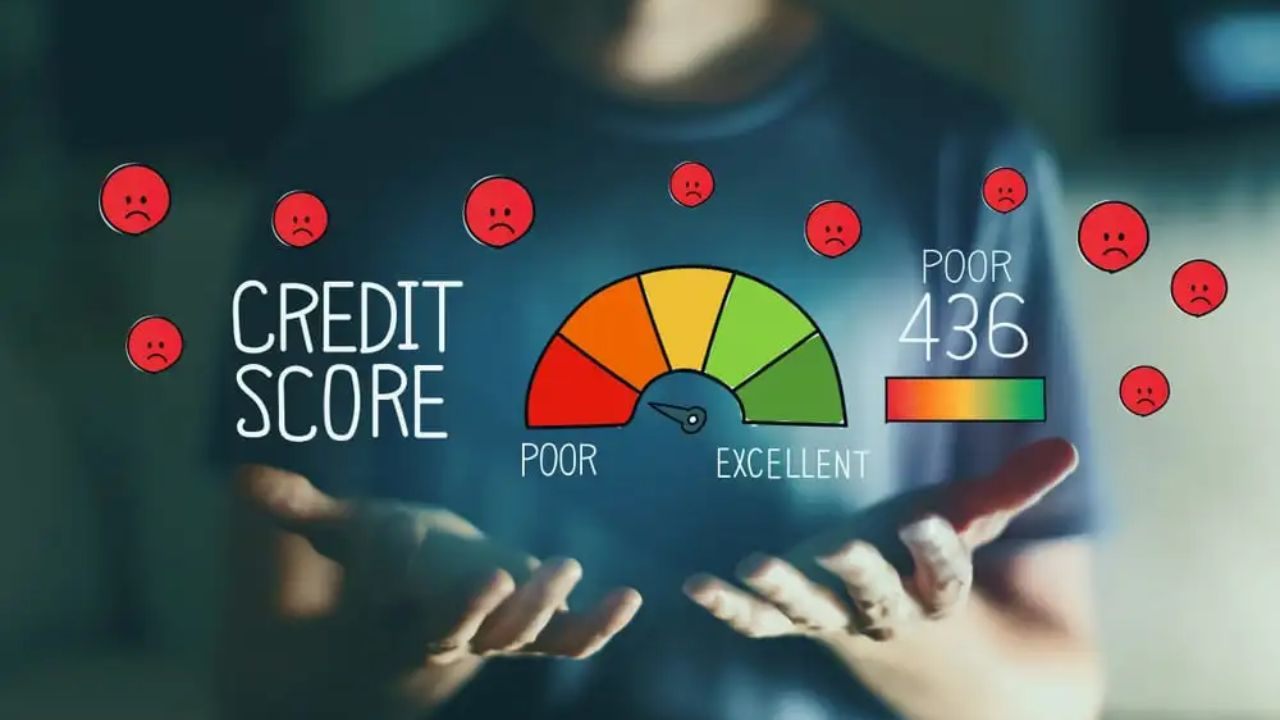
Your output can change depending on the scoring model used and the underlying data available at the time you check. A reliable tool should make it clear whether it is showing a score, an estimate, or an explanation of risk factors.
A Credit Score Versus A Credit Score Explanation
A credit score is the numeric summary a lender may use to quickly assess risk, but it is only one part of the picture. A score explanation focuses on why the score looks the way it does, typically pointing to factors like payment history and amounts owed.
With widely used frameworks such as FICO, the scoring categories are well documented, and payment history and amounts owed carry the most weight.
The practical benefit of an explanation is focus, because you can target the highest impact category instead of guessing.
What AI Adds Compared To A Standard Score Display
A standard score display can tell you where you stand, but it may not explain what changed or what to do next. AI-driven tools often translate raw credit patterns into readable drivers, such as high revolving utilization or a short credit history.
That help works best as directional guidance, not as a promise that one step will raise your score by a specific amount.
Different lenders and products use different underwriting rules, so the same score can lead to different outcomes.
Where The Data Comes From And Why Accuracy Matters
Most tools rely on credit report information that lenders and other furnishers send to credit reporting agencies.
If the data is wrong, incomplete, or delayed, your AI credit score check can point you toward the wrong problem, so data accuracy matters.
That is why it helps to review your credit reports, confirm the facts behind the AI summary, and dispute inaccuracies using official processes. Errors can happen, and correcting them is about fairness and accuracy, not shortcuts.
How An AI Credit Score Check Works Behind The Scenes
Even without technical detail, you can understand the basics by thinking in inputs and outputs.
The inputs are your reported credit behaviors, such as payment history, balances, and recent applications for credit.
The outputs are a score or score estimate plus the main drivers the system believes are influencing it most.
A good AI layer does not replace credit scoring; it helps interpret it, especially when you want to know what to fix before you apply.
Pattern Detection In Payments And Utilization
Payment history and credit utilization tend to show up as top drivers because they are central to mainstream scoring. With FICO-style scoring, payment history is a major category, and high balances relative to limits often signal higher risk.
An AI credit score check typically spots utilization patterns such as a recent late payment, a utilization spike, or repeated high balances that cycle to cycle.
If your tool highlights these patterns, it is usually pointing at factors that can move your score meaningfully over time.
How Models Translate History Into Risk Signals
Credit scoring is designed to predict the likelihood that you repay as agreed, not to describe your financial life in full.
That is why the same categories keep showing up across reputable explanations, including payment track record, amounts owed, length of history, new credit, and mix of accounts.
An AI credit score check often turns those categories into risk signals, such as high utilization or short history, which can be useful when you want to prepare for underwriting. Treat the signal as a summary of probability, not a final decision.
Common Limits You Should Expect From Any Tool
AI explanations can be helpful, but they are limited by what they can access and how current that data is. Credit information can be updated on reporting cycles, so a recent payment or balance change may not appear immediately.
Different tools may also use different score versions or data sources, which can lead to differences in your results.
A trustworthy experience is one where the tool is transparent about timing, data sources, and the fact that lenders may use different scoring and underwriting approaches.
How To Use An AI Credit Score Check To Improve Your Score
The best way to use an AI credit score check is to treat it like a prioritization dashboard.

You want it to highlight the top one or two issues that are most likely holding you back, then you want to commit to changes you can sustain for multiple billing cycles.
Strong credit is usually built through consistent on-time payments, controlled revolving balances, and careful timing of new credit. When the AI output matches what your report shows, it becomes a practical planning tool.
How To Read The Drivers Without Overreacting
Start by identifying a high-impact driver that is realistic to improve. Payment history is critical, but you improve it by avoiding new late payments and keeping accounts current, not by chasing quick tricks.
Amounts owed and utilization can be more responsive because paying down revolving balances can reduce utilization as balances are reported.
Length of history, credit mix, and inquiries matter too, but they tend to respond more slowly, so you should treat them as long-term factors.
Turning Insights Into A 30 To 90 Day Plan
A practical plan works best over 30 to 90 days, because many credit improvements show up across a few billing cycles, not overnight.
Start with your strongest levers: paying on time and lowering revolving utilization if it is elevated.
If the tool flags utilization, aim to keep reported balances lower across billing cycles, not only right before a payment is due. If it flags many recent applications, slow down and let your profile stabilize before seeking new credit.
What Not To Do When Following AI Recommendations
Avoid treating every recommendation as equal, because small factors rarely outweigh major ones like payment history and utilization. The easiest mistake is to chase quick fixes and avoid shortcuts that do not match how credit systems work.
Do not file disputes as a tactic to remove accurate negative information, because disputes are designed for incorrect or incomplete data.
Avoid opening multiple accounts simply to improve mix if your credit is already strained, because new credit can temporarily lower your score and add underwriting risk signals.
How AI Credit Score Checks Connect To Credit Card And Loan Applications
When you apply for a credit card or loan, the score is important, but lenders also look at the details behind it.

Your credit report shows account status, payment history, balances, and recent credit activity, and those specifics can influence approvals, limits, and pricing.
An AI credit score check helps by previewing underwriting concerns that may show up in a lender review, like high utilization or recent delinquencies. Used correctly, it supports better timing, better preparation, and fewer avoidable application surprises.
What Lenders Often Evaluate Beyond The Number
Lenders commonly evaluate patterns that sit behind the score, so it is always beyond the number.
They may focus on whether your revolving balances are high, whether you have recent delinquencies, and whether you have pursued a lot of new credit in a short period.
That is why two people with similar scores can receive different decisions or terms based on what their reports show. Your goal is to reduce obvious risk signals before you submit applications.
How AI Insights Can Affect Approval And Pricing Expectations
An AI credit score check can help you understand which signals may lead to higher interest rates, lower credit limits, or stricter approval thresholds.
These pricing expectations often worsen when utilization is high, payments are missed, or your history is short, even if you still get approved.
On the other hand, stable on-time payments and controlled balances typically support stronger outcomes. Keep in mind that underwriting varies by lender, so use AI insights as preparation guidance, not as an approval guarantee.
What Your Profile Summary Usually Suggests
Many AI credit score check tools summarize your profile into profile themes like thin credit history, stable long-term management, or elevated revolving usage.
A thin file often means your score is more sensitive to changes like inquiries or balance swings, while a thicker file may be less volatile if you keep usage steady.
Risk flags commonly include high revolving utilization, recent missed payments, frequent inquiries, or a short average account age, and each one points to a different next step. The best use of the profile summary is deciding what to fix first and when to recheck.
Conclusion
An AI credit score check can be a useful tool when you treat it as a guide to the fundamentals, not a shortcut to approval. It works best when it helps you focus on major score drivers, like on-time payments and manageable revolving balances, then confirms your progress as new data is reported.
For credit card and loan applications, the biggest advantage is preparation, because you can reduce obvious risk signals before you apply. When you combine accurate credit reports with disciplined follow-through, you give yourself the best chance at stronger terms.