
A love compatibility AI system aims to improve dating matches by predicting who you are more likely to connect with based on the information you provide.
Instead of relying on random swipes, it ranks potential partners using patterns in your preferences, answers, and activity on the platform.



The goal is not to guarantee the perfect relationship, but to reduce mismatches and help you spend time on higher-fit conversations.

What Love Compatibility AI Means In Modern Dating
Compatibility AI is a recommendation system, not a mind reader. It is designed to estimate fit using signals such as values alignment, lifestyle preferences, and communication tendencies, then turn those signals into match suggestions.
Some platforms show this as a compatibility score, while others keep it behind the scenes as ranking logic.
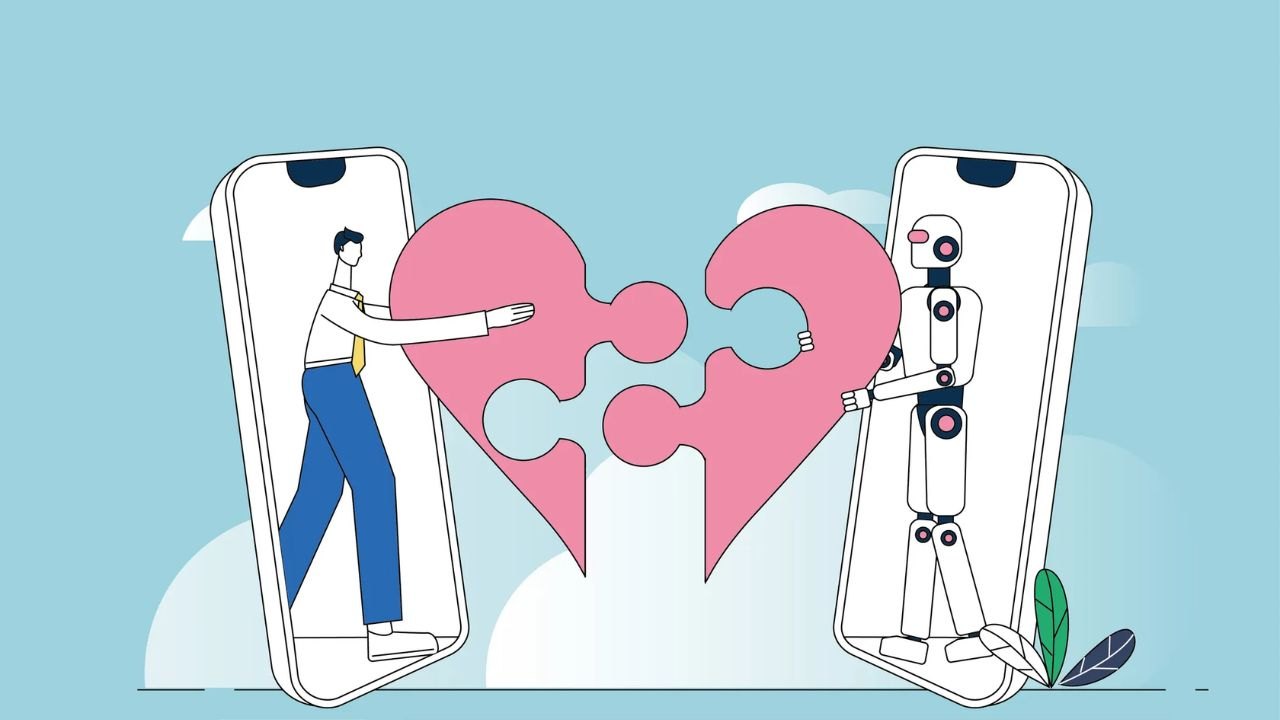
The strongest use is treating the algorithm as a decision aid that narrows your options. The final decision still depends on real conversation, consistent behavior, and shared expectations.
Compatibility Scores Versus Real Relationship Fit
A compatibility score is typically a summary of profile alignment based on answers and preferences. Real relationship fit is what happens when two people communicate, handle disagreements, and follow through in real life.
The score can help you start with people who appear aligned, but it cannot measure chemistry, timing, or effort.
It also cannot predict how someone behaves under stress or how they treat boundaries. The healthiest approach is to use the score as a starting filter, then confirm fit through interaction.
What AI Can Estimate From Your Inputs
AI can estimate patterns from what you consistently show, such as your stated priorities, deal breakers, and the types of profiles you engage with.
eHarmony is known for putting this front and center through a compatibility questionnaire and its “32 Dimensions” framing, which it presents as the basis for match compatibility.
Those inputs matter because they reflect repeated preferences, not a single moment. When your answers are honest and consistent, the system has a clearer signal to work with. When answers are aspirational or inconsistent, matches can feel less accurate.
What It Cannot Measure Without Real Interaction
No compatibility system can reliably measure how someone treats you when plans change, conflict shows up, or pressure builds. It also cannot guarantee honesty from the other person, because it only sees what is shared on the platform.
Even strong matching tools cannot replace basic screening, boundary setting, and slow confirmation through conversation.
The best way to use AI is to let it shortlist potential matches. Then you verify through interaction using respectful communication and consistent actions over time.
How the eHarmony Matching System Works
eHarmony is a useful example because it publicly positions compatibility as the core method, not an add-on feature.
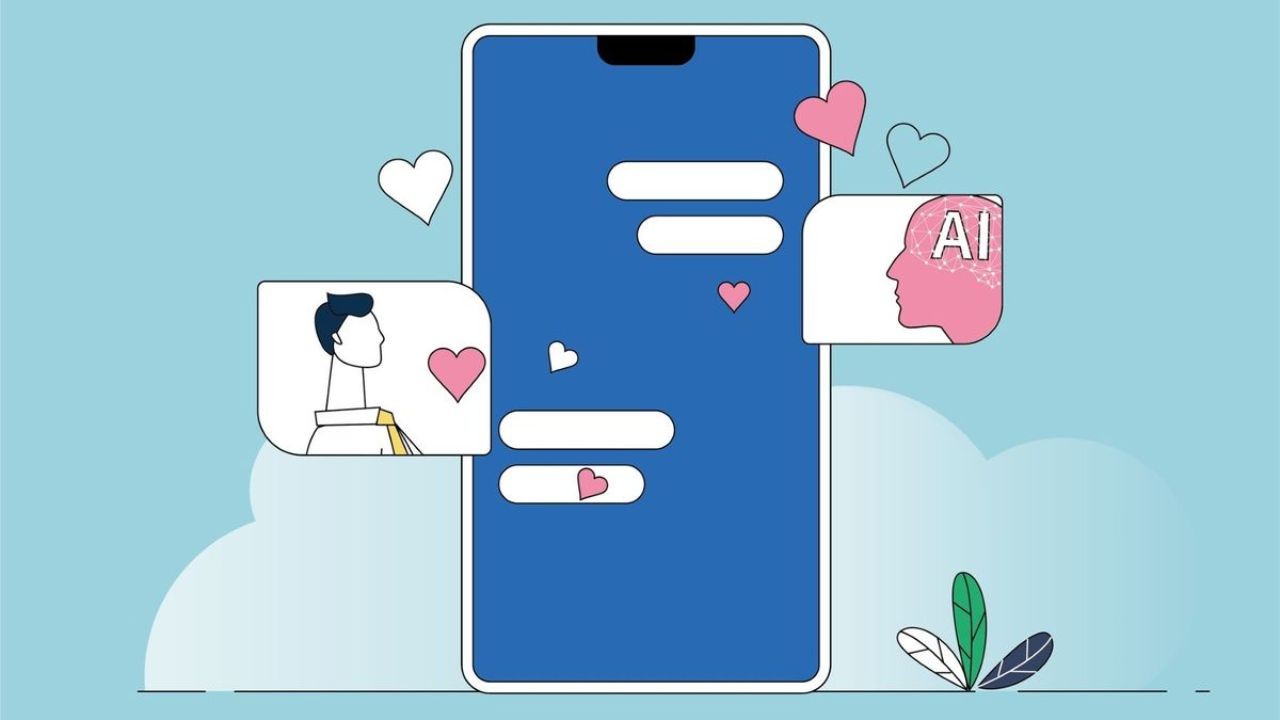
The platform typically begins with a structured compatibility questionnaire, then uses those answers to generate match suggestions and compatibility scores with other members.
It also presents compatibility as multi-dimensional rather than as a single trait, supporting a broader view of fit.
The takeaway is simple: the system depends heavily on the quality of inputs you provide. If you supply clear, honest answers, the system can rank matches more accurately.
What You Provide: Quiz Answers, Preferences, And Deal Breakers
The process generally starts with your questionnaire responses about personality style, values, and relationship priorities. You also provide preferences such as age range, distance, and other filters that shape who can appear in your pool.
Deal breakers and must-haves matter because they control the size of your match set and the type of profiles you see.
If your preferences are too strict, the pool shrinks, and quality can drop. If your preferences are too vague, the system has less structure for predicting fit, so balance matters.
How The System Ranks Matches And Updates Over Time
Most compatibility systems work as ranking engines, not pass fail tests. They compare your profile pattern to others, then surface the people who appear most aligned across key dimensions.
Over time, many systems can learn from behavior signals such as who you message, who you ignore, and what kinds of profiles you consistently respond to.
This can shift what you see in your recommendations, even if your stated preferences stay the same. The advantage is that the system can reduce noise, but it can also reinforce a narrow type if your behavior is repetitive.
Why Two People Can See Different Results
Two people can be on the same platform and still see different match pools because their inputs and behavior differ. Different distance settings, age ranges, and deal breakers change the pool immediately.
Differences in questionnaire answers also shift ranking because the system compares patterns across multiple dimensions, not one trait. Activity patterns can matter too, since engagement often affects what a system prioritizes for you.
If your match pool feels off, the cause is usually in your filters, your profile signals, or your engagement habits.
How To Use Love Compatibility AI Properly On eHarmony
You get better matches when you treat compatibility AI like a measurement system that needs clean data.

That means you answer the questionnaire honestly, keep your preferences consistent, and avoid answering like your ideal self if it does not match your real habits.
It also means using match suggestions as a guide for smarter screening conversations, not as a shortcut to commitment.
The objective is fewer dead-end chats and better early alignment. When you use the tool with discipline, it can reduce time wasted on mismatches.
Answering With Honesty And Consistent Timeframes
Your best results come when you answer based on typical behavior over a stable timeframe, such as the last few months. If you answer based on a temporary mood, your profile can skew, and your matches can feel confusing.
Consistency matters because contradictions force the system to average your traits into a generic profile.
When you are honest about routines, conflict style, and communication needs, the match suggestions become more aligned with your real life. If you exaggerate, you may match with people who expect a lifestyle you will not sustain.
Avoiding “Perfect Answer” Bias
Many people try to “win” compatibility quizzes by selecting responses that sound emotionally mature or socially impressive. That often backfires because it matches you to partners who expect that idealized version of you.
A more useful approach is to answer for ordinary days, not best behavior. If you prefer direct communication, say so. If you need downtime to recharge, say so.
Long-term compatibility depends on alignment with reality, and AI can only work with the reality you provide.
Using Results To Build Better Screening Questions
A compatibility score is most useful when it helps you ask better screening questions early. Use match insights to clarify values, lifestyle, and communication expectations with a calm, respectful conversation.
Focus on practical topics like how each of you handles busy seasons, what you expect from texting and calls, and how you make decisions together.
This turns the algorithm from a passive ranking system into a conversation tool that helps you confirm fit faster. The goal is not interrogation, but clarity, because strong early clarity reduces later conflict.
Privacy, Bias, And Healthy Expectations
Compatibility AI can improve efficiency, but it can also create false confidence if you treat it like a guarantee.

The algorithm can reinforce your preferences in a way that narrows your options, and the data you share can be sensitive. A responsible user protects privacy, avoids oversharing too early, and stays aware of how “type lock-in” can happen.
Healthy expectations mean remembering that a match is an introduction, not proof of a future relationship. AI can help you start, but only behavior determines whether the relationship is healthy.
Data Minimization And Account Safety
You do not need to share everything to get quality matches, so keep sensitive details private until trust is earned. Use in-app messaging until you feel comfortable, and be cautious with phone numbers, location details, workplace specifics, and financial information in early conversations.
Strong passwords and careful privacy choices matter because dating profiles can reveal routine and identity patterns.
If you are under 18, a dating platform is not appropriate for you, and you should avoid sharing personal data with strangers online. Safety and privacy must stay ahead of curiosity.
Bias In Preferences And “Type Lock In” Risks
Compatibility systems learn from what you choose, which can unintentionally create type lock-in, where you keep seeing the same kind of match.
If you only engage with one style of person, you may get more of the same, even if outcomes are not improving. Bias can also show up through language and cultural differences, where communication style is misread as maturity or compatibility.
The fix is to be intentional with inputs: keep true deal breakers, but loosen filters that do not predict relationship quality. Small preference changes can widen the pool and improve variety.
When To Rely On Human Judgment Instead
Algorithms are strongest at narrowing options and weakest at reading real character and behavior, so human judgment must stay in charge.
If someone ignores boundaries, pressures you, or shows inconsistent stories, your judgment matters more than any score. If a match looks perfect on paper but the conversation feels draining or disrespectful, trust the interaction.
Compatibility is confirmed through consistency, kindness, and shared effort, not through a ranking. Use the AI to find candidates, then rely on real communication to decide whether the match is worth your time.
Conclusion
A love compatibility AI system can make dating more efficient by ranking matches based on your answers and preferences, but it cannot guarantee a healthy relationship. eHarmony is a clear example of compatibility-first matching, where your questionnaire inputs shape who you see and how matches are ranked.
Keep expectations healthy, protect privacy, and avoid treating the score as a verdict. When you combine clean inputs with human judgment, AI becomes a helpful filter instead of a false promise.