
An AI personality test is a fast way to turn your answers into a practical personality profile you can review in minutes. It uses automated analysis to summarize patterns in how you think, act, and respond across common situations.
The point is not to label you forever, but to help you see stable tendencies you may miss in daily life. When you use it carefully, the results can support better self-awareness, communication, and goal-setting.



What An AI Personality Test Really Is
AI personality tests aim to describe stable tendencies that stay fairly consistent over time, not single-day moods.
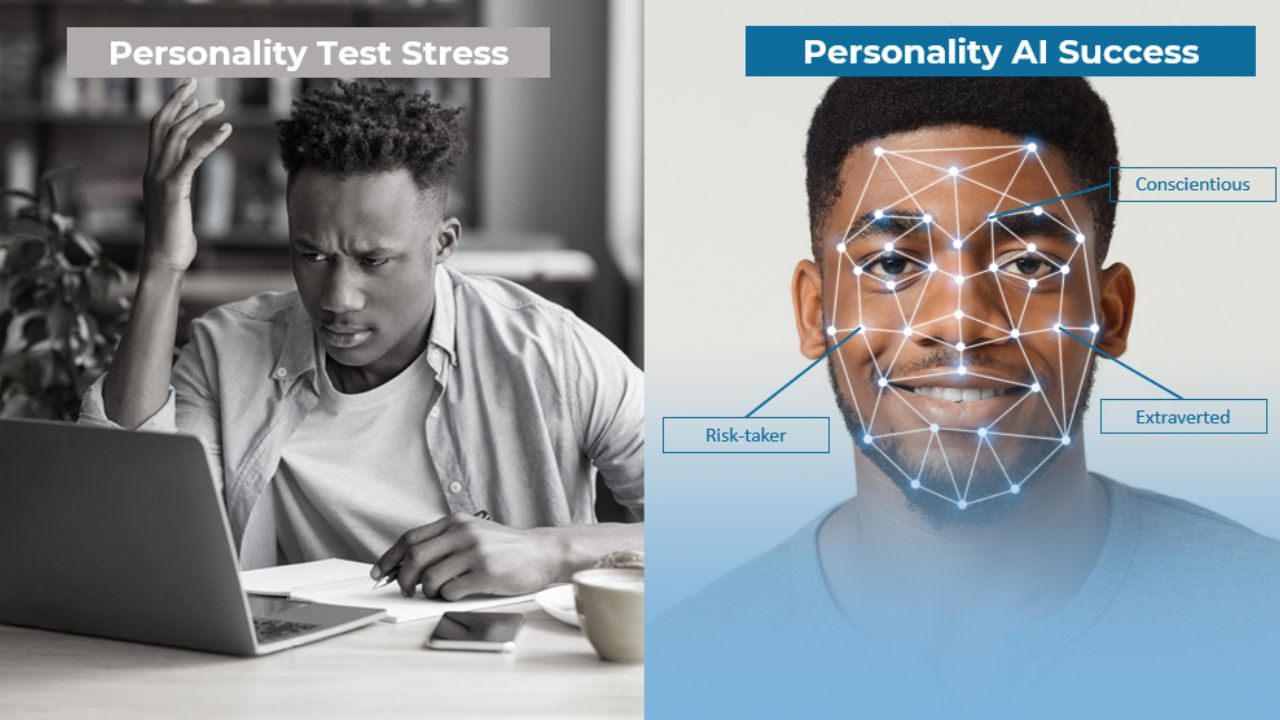
They usually translate your responses into trait language such as organization, sociability, flexibility, or stress reactivity.
The best tests keep the focus on tendencies, not identity claims or sweeping predictions. If you treat the results as a working profile, you can confirm with real behavior that the tool becomes more useful and less misleading.

How It Differs From Traditional Personality Tests
Traditional personality tests rely on fixed questions, fixed scoring rules, and standardized reports that follow a defined model.
AI tools often feel more interactive because they can summarize your answers in natural language and highlight themes across responses.
That convenience can improve understanding, but it can also create false certainty if the tool sounds too confident. The core measurement goal is the same, but AI changes the delivery and the style of interpretation.
What These Tests Can Measure Well
An AI personality test can estimate broad traits such as conscientiousness, openness, and emotional stability based on repeated patterns in your answers.
It can also highlight preferences like planning versus spontaneity, or direct communication versus cautious communication.
These outputs can be useful because they connect traits to everyday behavior, which makes reflection easier. When the tool stays specific and behavior-focused, it is more likely to feel accurate and actionable.
What These Tests Cannot Prove
An AI personality test cannot fully capture your values, life history, or the full range of your behavior across every setting.
It also cannot serve as a diagnosis, because it does not confirm mental health conditions, motives, or fixed potential.
Results can shift when your inputs shift, especially if you answer from a temporary emotional state. The safest approach is to treat the output as a snapshot of tendencies, not a final verdict about who you are.
How An AI Personality Test Works Behind The Scenes
Most AI personality tests follow the same basic pipeline from input to output. You provide text answers, multiple choice selections, or both, and the system extracts patterns from what you shared.

It then maps those patterns to trait descriptions, often using a familiar framework like Big Five style dimensions.
Understanding that the pipeline helps you keep realistic expectations, especially when the tool offers confident-sounding conclusions.
Language Patterns, Traits, And Scoring Signals
AI systems often look for consistent signals in how you describe routines, decision-making, and social interactions.
They may interpret emphasis on planning, follow-through, and detail as signs of stronger conscientiousness. They may interpret novelty seeking, curiosity, and comfort with change as signs of higher openness.
Because language can be ambiguous, the strongest tools focus on repeated signals rather than one sentence.
Training Data, Model Behavior, And Output Style
AI tools learn patterns from large collections of text, which can shape how they describe people.
Two tools can summarize the same person differently because they were trained differently or designed around output style choices.
Some tools prioritize gentle language, while others prioritize direct language, and the tone can affect how accurate results feel. This is why you should judge the content of the traits, not the confidence of the writing.
Common Limitations: Bias, Context, And Overgeneralization
Bias can appear when the tool interprets your wording through cultural assumptions or language norms that do not fit your background.
In personality results, context matters because a busy month can make you sound less patient or less organized than you are long term.
Overgeneralization is a risk when a tool turns a narrow pattern into a broad claim about your personality. You should be cautious when results feel sweeping, absolute, or disconnected from your real life.
How To Take An AI Personality Test For A More Accurate Profile
A more accurate result starts with how you answer, not with the tool itself. Your goal is to describe typical behavior across months, not unusual weeks or one special situation.

Your most important guardrail is a consistent timeframe, so your answers represent a stable slice of life.
If you approach the test like a structured self-interview, you increase the chance of a stable and useful profile.
Answer Quality: Specificity, Consistency, And Context
Specific answers help because they give clearer behavioral evidence than vague statements. The biggest accuracy lever is answer consistency, because contradictions often trigger generic summaries that do not teach you anything.
Choose a timeframe, such as the last three to six months, and stick to it for every question. Answer as your typical self, not your ideal self, because the goal is accuracy, not a flattering profile.
Avoiding Distortions From Mood And Role Play
Mood can distort results because it changes how you describe yourself in the moment, and mood distortion can make a stable trait look like a temporary reaction.
Role play also distorts results because the tool cannot reliably separate your real habits from a character voice.
Social desirability can push you to answer with what sounds good instead of what is true. If you want a truer profile, answer from ordinary behavior and avoid dramatic language.
Rechecking The Same Traits Over Time
Retaking the test can be useful, but only when you do it with discipline. The goal is to see what stays stable across sessions when your setting and timeframe are comparable.
Keep the setting similar, keep the same timeframe, and avoid retaking immediately after an emotional day.
If results swing wildly, the issue is often inconsistent input, inconsistent mood, or a tool that is too sensitive.
How To Read Your Results And Discover Your True Profile
Results are easiest to trust when you read them like a map, not a rule. A useful report identifies likely strengths, predictable friction points, and conditions where you perform best.

The risk is accepting every sentence as fact without checking it against real behavior. Your goal is to extract stable patterns, challenge vague claims, and build a profile summary you can actually use.
Separating Stable Traits From Situational Behavior
Stable traits show up across time and across settings, even when life gets busy or stressful. Situational behavior changes with school pressure, family expectations, new work demands, or shifting routines.
If the report says you avoid conflict, check whether that pattern appears at home, with friends, and in group work, not just in one place. When the same pattern repeats in different settings, it is more likely part of your true profile.
Spotting Red Flags In Overly Vague Results
Be cautious when results sound universally positive and could fit almost anyone. Vague labels feel accurate because they are broad, but they do not help you act differently, and they are often too generic to guide real change.
Strong results include tradeoffs, like being decisive but sometimes impatient, or being calm but sometimes avoidant.
If a report is all praise and no friction points, treat it as a signal to demand more specific, testable observations.
Turning Trait Results Into Self-Awareness
Trait results become useful when you translate them into practical choices you can make. If you score high on planning, you can protect your focus by using lists and time blocks.
If you score high on sensitivity to stress, you can protect performance by reducing overload and building recovery time. The goal is not to change your personality overnight, but to manage your tendencies with better systems.
What To Do With Your AI Personality Test Insights
A good personality profile should lead to better decisions, not stronger labels. The best use is building a clear summary of how you work, how you react under pressure, and what conditions help you stay consistent.

You can use that summary for learning strategy, communication style, and goal planning. You also should think about privacy, because personality data can feel personal and may reveal more than you expect.
Building A Personal Profile Summary You Can Reuse
Keep your summary short, behavior-based, and easy to update, so it becomes a reusable reference instead of a one-time report.
Write what tends to be true about your planning style, your social energy, and your stress response.
Then list two strengths you can lean on and two friction points you want to manage with habits. This turns a report into a practical tool you can revisit when you make decisions.
Using Results For Work, Learning, And Communication
Use your profile to choose environments where you thrive and reduce friction in how you learn and collaborate. If you are more structured, you may perform better with clear deadlines and defined steps.
If you are more flexible, you may perform better with creative tasks and room to adjust plans. In communication, you can use results to explain needs, like time to think before responding or a preference for direct feedback.
Best Uses, Boundaries, And Privacy Basics
AI personality tests work best for self-reflection and personal growth, not for judging others or making high-stakes decisions.
Responsible behavior starts with responsible use of insights, which means you do not treat a single result as a gatekeeper for relationships, careers, or identity claims.
Be cautious about sharing detailed results publicly, especially if you do not know how the tool stores data. When you keep your choices flexible and confirm results with real behavior, the tool stays helpful instead of limiting.
Conclusion
An AI personality test can be a practical way to explore your tendencies when you treat it as structured self-reflection, not a final identity statement. It works best when you answer consistently, avoid mood-driven distortions, and compare results against real behavior across time.
Your strongest insights are the ones that repeat across settings and help you make better daily choices. If you turn the results into a short profile summary, you can refine the tool without boxing you in.