
A stress level test AI is a digital self-check that uses your answers to estimate how stressed you may be and what factors could be driving it.
Instead of giving you only a score, many tools also summarize patterns in plain language, such as sleep disruption, overload, or persistent worry.



The goal is to help you notice trends early, not to label you or predict your future. Used responsibly, it can support better habits, clearer boundaries, and smarter decisions about when to seek support.

Stress Level Test AI In Plain Terms
Stress is not just about being busy. It is a mind and body response to demands, uncertainty, and pressure, and it can show up in sleep, focus, mood, and physical tension.
A stress level test AI helps you track changes over time by turning self-reported signals into a score or category.
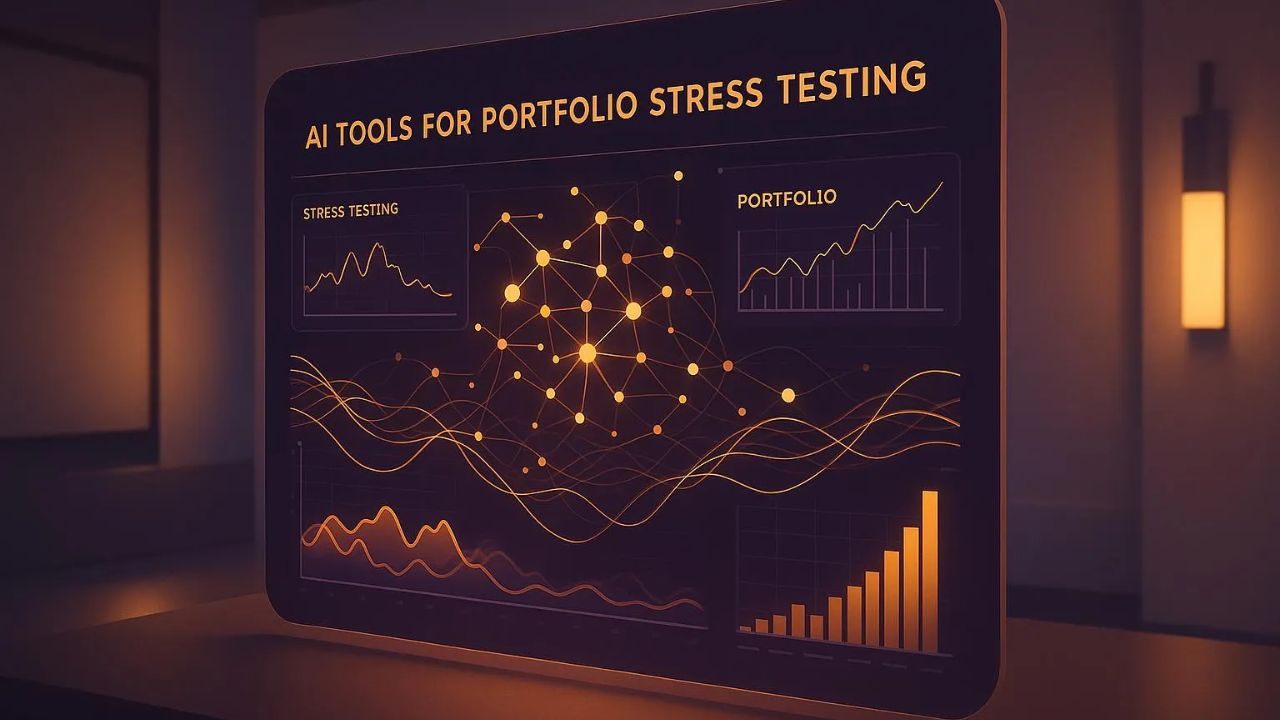
The result is only as reliable as your answers and the questions used. Treat it as guidance that helps you reflect, not as a medical conclusion.
What “Stress” Means In Daily Life
Stress often shows up through repeatable signals, not one dramatic moment. You may notice trouble sleeping, irritability, restlessness, fatigue, headaches, difficulty concentrating, or feeling overwhelmed by routine tasks.
These signs can be mild and still matter, especially if they last for weeks. A test can help you name patterns you have been ignoring. It cannot prove the cause, so you still need to connect the signals to what is happening in your life.
What AI Adds Compared To A Standard Questionnaire
A traditional stress questionnaire usually provides a score and basic guidance, but it may not explain what drove the result.
AI-based tools often add clearer summaries, highlight which responses pushed your score higher, and suggest next steps that match your category.
Some also help you compare results across time, which is useful because stress is often cyclical. The AI adds interpretation and readability, not certainty. A good tool stays specific and does not pretend it can diagnose you.
Misconceptions That Make Results Less Useful
One common mistake is treating a single score as your identity. Another is assuming the tool can diagnose anxiety disorders, depression, or burnout from a short check-in.
A third mistake is believing a low score means you should ignore warning signs, or a high score means something is wrong with you.
Scores are signals, not verdicts, for reflection and planning, and they are meant to guide practical choices. The best use is to combine results with honest self-observation and consistent tracking.
What A Stress Level Test AI Is Actually Doing
Most tools follow a simple process: they collect self-reported information, calculate a score, and then explain the result in everyday language.
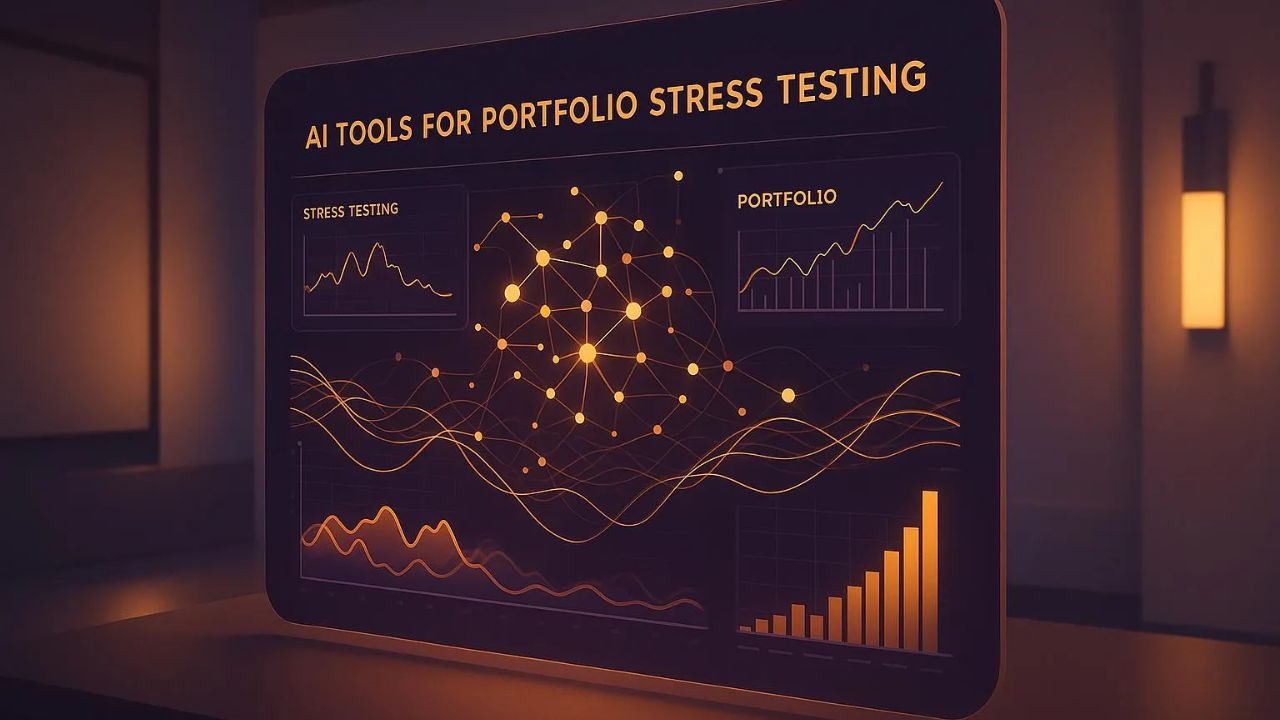
The questions often focus on sleep, workload, mood, physical symptoms, and how well you feel you can cope. Some tools use fixed scoring rules, while others adjust based on your past results to show trends.
The system cannot read your mind or measure hormones, so it depends on your input. That is why your approach matters as much as the software.
Scoring Logic And Stress Categories
Most tools assign points to responses linked to strain, such as frequent sleep problems, constant tension, or feeling overloaded. The total becomes a score that maps to stress categories like low, moderate, or high stress, with short guidance for each level.
Some tools also highlight top drivers, such as sleep disruption or workload pressure, to make the result actionable.
This is a structured reflection tool, not a laboratory measurement. You should interpret it as a helpful summary of self-reported signals.
Why Different Tools Can Give Different Results
Two tools can score you differently because they may ask different questions, focus on different timeframes, and weight factors differently. One tool may emphasize sleep and physical symptoms, while another prioritizes mood and cognitive load.
Even the wording of questions can change how you answer, especially if you are rushed. If you want consistent tracking, stick to one tool and keep the same routine.
Switching tools often creates noise that looks like change, even when your stress level is stable.
Reliability And Validity In Practical Terms
Reliability and validity are the basics of trustworthy testing, and reliability and validity matter most when you track stress over time. Reliability means you get similar results when nothing meaningful has changed in your life.
Validity means the test is actually capturing stress signals, not confusing stress with general fatigue or temporary frustration.
For you, the practical question is whether results match real outcomes like reduced focus, poor sleep, or increased irritability. If results feel random, treat them cautiously and rely more on real-world functioning.
Why People Use Stress Level Test AI Tools
People use these tools because stress is easy to normalize and hard to measure on busy days.

When you are overloaded, you may dismiss fatigue, ignore sleep problems, or misjudge what is really triggering tension.
A quick check creates a pause that helps you notice changes before they become a bigger problem.
It can also support behavior change by making progress visible over time, not just day-to-day feelings. The main benefit is clarity and consistency in how you observe your own stress patterns.
Quick Check Ins That Fit Real Schedules
A short test can fit into a day when you do not have time to journal or reflect deeply. It can show whether your baseline shifting is moving toward constant strain, even if you are still functioning.
This matters because small issues, like sleeping less or skipping meals, can compound into stronger stress reactions.
A quick check also gives you a baseline to compare later. The key is to answer calmly and honestly, not in the middle of a rushed moment.
Finding Triggers And Patterns Over Time
Stress often follows patterns, such as certain days, workloads, social situations, or routines that reliably raise tension. A test can help you connect symptoms to triggers by repeatedly asking about sleep quality, pressure, and recovery time.
The tool will not identify your trigger automatically unless you track context around your results.
Add one or two notes after each check, like workload level, bedtime, caffeine, or conflict exposure. Over a few weeks, you can see what conditions push your score up or down.
Using Results To Support Better Habits
Stress management usually fails when it stays vague, like telling yourself to relax more. Monitoring helps because it makes your effort measurable and easier to repeat.
If your score stays high, you may need to adjust workload, set stronger boundaries, or rebuild routines like sleep and meals.
If it improves, you can identify what helped and keep doing it. The goal is steady awareness, not constant checking. A tool is most useful when it supports consistent habits, not anxiety about numbers.
How To Use A Stress Level Test AI Responsibly
Responsible use starts with honest inputs, consistent timing, and realistic expectations. You should treat the output as a conversation starter with yourself, not a judgment about your character.

Your results are most useful when you compare them to your functioning, like whether you can sleep, focus, and handle responsibilities without constant strain.
A stress tool can guide next steps, but it cannot tell you everything about your health. If a result worries you, respond with structure and support, not panic.
Best Practices For More Accurate Results
Choose a stable timeframe, such as the last seven or fourteen days, and stick to it every time. Answer based on typical patterns, not one unusual day, and keep your environment consistent when you test.
If you are exhausted, angry, or highly emotional, consider waiting until you are calmer so your answers reflect a clearer picture.
Use the same tool, the same time of day, and the same approach to reduce noise. Consistency makes your trend data more meaningful and easier to act on.
Turning A Score Into A Weekly Plan
A weekly plan works best when it targets one or two changes you can sustain. If sleep is a top driver, set a consistent bedtime range and protect it for a week.
If overload is the driver, reduce one commitment, shorten one task list, or schedule recovery time after demanding days.
If worry is the driver, separate planning time from rest time so your brain gets a clear off switch. Small, repeatable changes usually beat dramatic resets because they create stability.
When To Get Human Support
AI tools are not a substitute for professional evaluation when stress becomes intense or persistent, so human support matters when functioning is slipping.
If stress is disrupting sleep most nights, making it hard to focus, or causing you to struggle with school, work, or relationships, it is time to talk to a trusted adult, counselor, or clinician.
Also, take ongoing physical symptoms seriously, such as frequent headaches or stomach issues linked to stress. You do not need a perfect score to ask for help. Getting support early is a practical step that protects your well-being.
Conclusion
A stress level test AI can be useful when you treat it as a structured self check that highlights patterns and possible triggers, not as a diagnosis. It works best when you answer consistently, track context, and use results to guide small, repeatable changes in sleep, workload, and recovery.
It can also help you organize observations over time, which makes it easier to explain what you are experiencing to someone you trust. The strongest outcome is better awareness, better habits, and a clearer signal of when human support is the right next step.