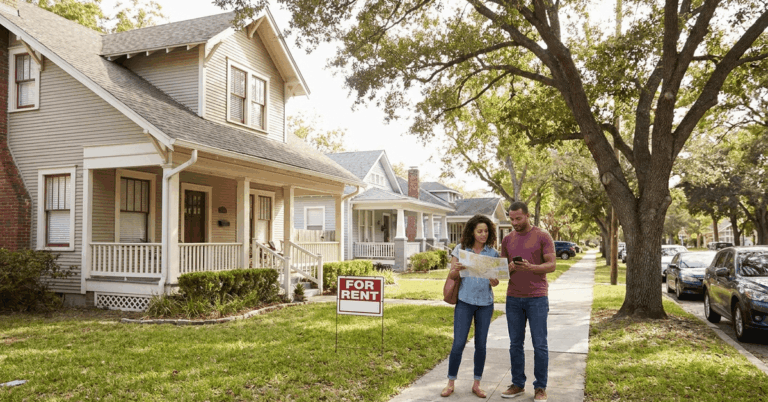
Searching for homes for rent with pets allowed can feel a bit overwhelming, especially as pet-friendly rentals are sometimes more limited in availability. If you’re a pet owner, this topic might already strike a chord.
Access to the right listings provides more than convenience; it often means comfort for you and your animal companion.



This article breaks down where and how to look for dog- or cat-friendly rentals, plus what’s involved in renting with pets, to help ease the process for both renters and landlords.
Why Focus on Pet-Friendly Rentals?
The importance of pet-friendly rentals is steadily growing. Many households now include dogs or cats as key family members, making pet policies a deciding factor during the rental search.
When a home allows pets, it creates new options while reducing the need for difficult choices such as rehoming loved animals. Pet-friendly living tends to contribute to overall wellbeing for renters who value animal companionship, which can’t be understated.
There are certainly some restrictions to note, but more landlords now consider tenants with pets, seeing it as a way to access reliable, committed renters.
Types of Homes Available for Pet Owners
Choices of homes for rent with pets allowed fall into a few major categories. Traditional single-family houses often provide the most flexibility, including private outdoor spaces and fewer direct neighbors.
Apartment complexes in city areas may allow pets, though these sometimes limit the types of pets or sizes by breed or weight. Duplexes, townhomes, and smaller multi-unit dwellings offer a compromise, generally balancing space and cost.
Condos are an option too, though often governed by additional Homeowners Association rules. Across these categories, pet policies can be unique to each landlord or property manager.
Key Features of Pet-Friendly Rentals
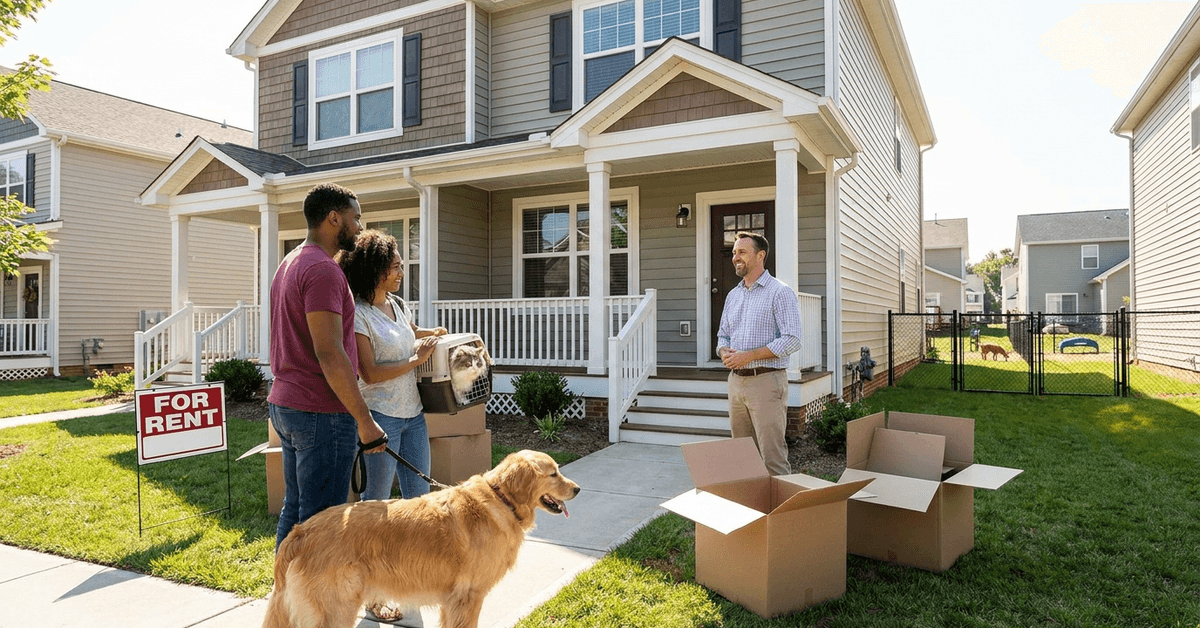
Rentals that allow pets tend to include special features that make daily life easier. Fenced yards, tile or laminate floors, and access to nearby parks appeal to pet owners. Some buildings are now adding dog washing stations or joint play spaces.
Pet policies may cover both cats and dogs, but will usually specify allowable breeds and weight limits. The lease might highlight restrictions on the number of pets or standard rules about cleaning up after pets in shared spaces. In any case, reviewing lease language and open communication with landlords remains important for peace of mind.
Common Requirements and Pet Policies
Many landlords require detailed information about pets as part of the rental application.
Typical requests might include evidence of current vaccinations, proof of spaying or neutering, and sometimes references from prior landlords about pet behavior. There are often fees—either a monthly “pet rent,” a refundable deposit, or sometimes a non-refundable cleaning charge.
The goal is to protect the property, and also encourage responsible pet ownership. Be prepared for breed restrictions or rules about certain types of animals, as these are shaped by insurance or local ordinances in many regions.
How to Search for Homes That Allow Pets
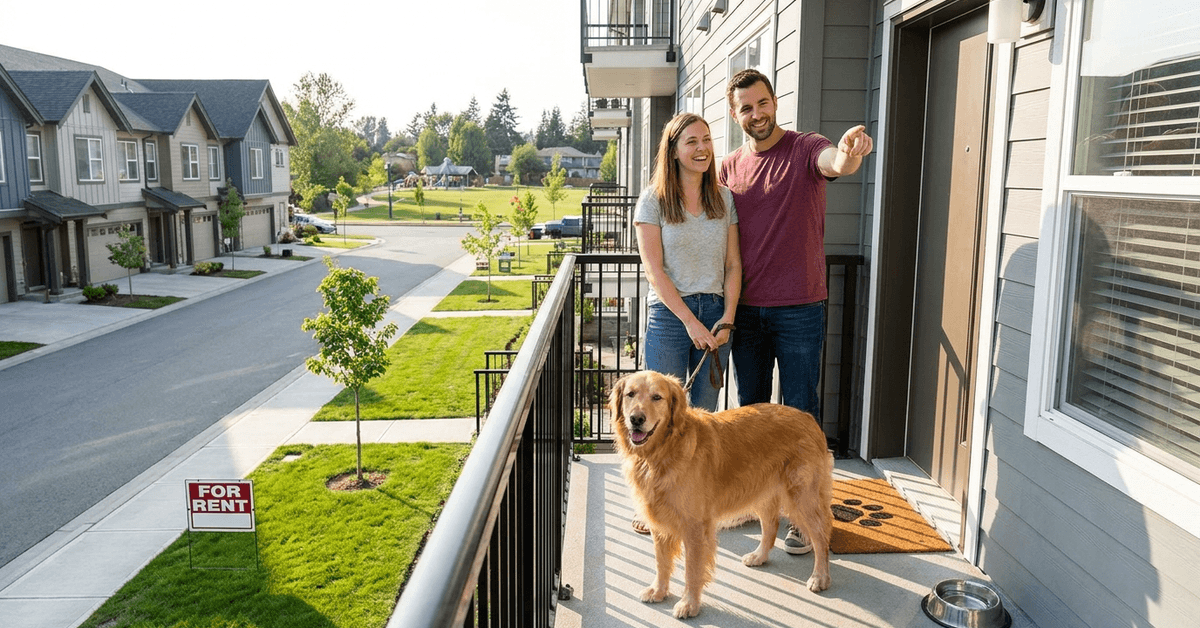
Finding quality homes for rent with pets allowed is easiest through specialized search platforms. Most major rental websites now include filters for “pets allowed” or more specific categories.
Websites such as Zillow’s rental section allow renters to select pet permission directly, showing only relevant listings. Niche sites or apps sometimes cater exclusively to dog- and cat-owning households.
Another approach is working directly with local real estate agents, who often have inside knowledge of properties where landlords are receptive to pets. Searching early and having documents ready tends to speed up results, especially in popular rental markets.
Location Considerations for Pet-Friendly Living
Some neighborhoods are simply better suited to pets than others. Proximity to green spaces, quiet streets, and access to veterinary services mean a lot. Walkable neighborhoods often feature dog parks or pet supply stores, creating a sense of community for animal lovers.
By contrast, apartments along busy main roads or in heavily restricted buildings might present scheduling and safety challenges for daily walks. In suburban or more rural locations, single-family homes with yards become almost a standard for those seeking dog-friendly living. It’s possible to balance commute, lifestyle, and your pet’s comfort, though sometimes priorities compete.
Costs: Pet Fees and Rental Prices
Renting with pets does generally cost a bit more. Many landlords impose pet deposits—sometimes refundable, occasionally not. There’s also monthly pet rent, typically ranging from $25 to over $100, which covers additional wear and tear.
Sometimes properties charge per pet, making it harder for individuals with multiple animals. On the other hand, the value gained—a genuinely accommodating home for the entire household—tends to outweigh the expense for most.
Comparing total move-in costs upfront and factoring in long-term costs gives a clearer picture. Some renters report the occasional surprise, but upfront research often prevents sticker shock.
Rights and Responsibilities for Pet Owners
Many pet owners are surprised to learn that local rental laws may require landlords to accept certain support or service animals, regardless of their regular pet policies
According to the official U.S. Department of Housing and Urban Development, emotional support animals and service dogs are protected differently in rental environments. Familiarizing yourself with your rights can prevent misunderstandings during the application and move-in process.
As a tenant, demonstrating responsible ownership—cleaning up after your pet, addressing noise complaints, and maintaining indoor cleanliness—often helps foster good landlord relationships. Sometimes, even cautious landlords revise their pet stance over time after a positive renter experience.
Tips for a Smoother Application Process
The rental application process for pet-friendly homes often involves extra steps. Keeping a “pet resume” with vet records and references may be helpful. Some landlords appreciate meeting your pet, or seeing photos that show your animal’s character or calm demeanor.
Communicating honestly about your pet and being proactive about compliance with pet rules helps too. If uncertain, reviewing lease language and requesting clarifications in writing helps create mutual understanding.
Applicants who provide complete paperwork often have a better chance in competitive rental markets. After move-in, small gestures, like periodically touching base with neighbors, tend to smooth community adjustments.
What to Expect After Moving In
Once settled into a pet-friendly home, adjusting routines to a new setting becomes part of daily life. Some pets may need time to acclimate to new smells or sounds, particularly when moving from a house to an apartment or vice versa.
Respecting shared space rules—such as leashing pets in hallways or picking up immediately—usually encourages goodwill among neighbors. It’s not uncommon to see informal gatherings of fellow pet owners in designated community areas.
Some apartment managements now offer occasional pet events or support networks, which foster a sense of belonging. Building small daily habits tends to ease the overall transition, for both two- and four-legged residents.
Top Cities for Pet-Friendly Housing in the U.S.
Certain U.S. cities are known for their higher ratio of pet-friendly rental listings. For instance, Austin, Portland, and Denver consistently rank well for dog-friendly amenities and local ordinances welcoming to animals.
College towns and smaller urban areas sometimes surprise with a greater selection of pet-friendly apartments, often due to younger populations or progressive housing policies. Large metros like Los Angeles and New York feature pet-inclusive communities, though rent prices may vary more widely.
Availability can change depending on season, market shifts, and neighborhood development. Sometimes patience pays off; what’s rare this year could be easier to find a few months later.
Pitfalls and Common Misconceptions
A few myths persist about renting with pets. One is that all “pet-friendly” listings accept any animal—when in reality, there may be breed, size, or even temperament requirements.
Another misconception is that pet fees are always recoverable deposits; in fact, some are simply non-refundable charges. Occasionally, renters misunderstand local rules about keeping certain exotic pets, such as reptiles or birds, which can be outside policy limits even in pet-friendly buildings.
In practice, direct communication and detailed review of the lease documents provide the clearest picture. Sometimes word-of-mouth recommendations from current tenants open unexpected doors for pet owners as well.
Conclusion
Choosing the right pet-friendly rental can feel like a balancing act but finding a suitable home with flexible policies and clear communication allows pets and their people to thrive together.
Landlords who embrace responsible pet ownership often see lower turnover and more satisfied long-term tenants. For renters, planning ahead, understanding local laws, and keeping open lines of communication make the process more rewarding.
While challenges exist, the shift towards more inclusive housing continues, making it easier every year for renters to discover welcoming homes for every member of the family, fur included.