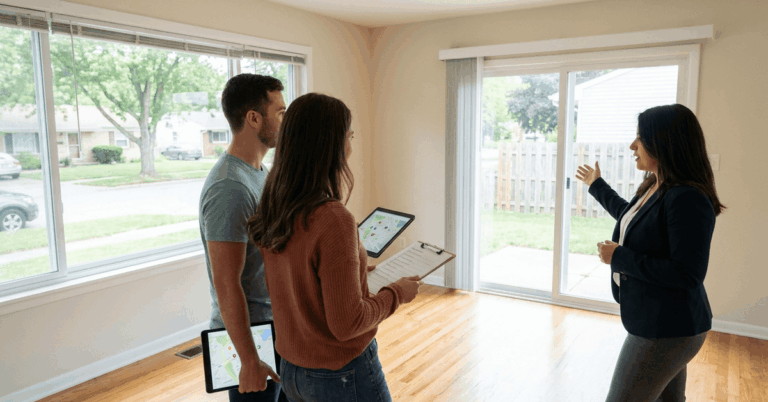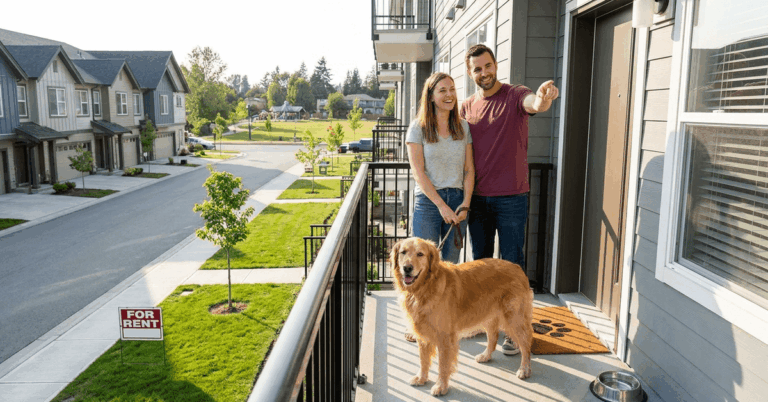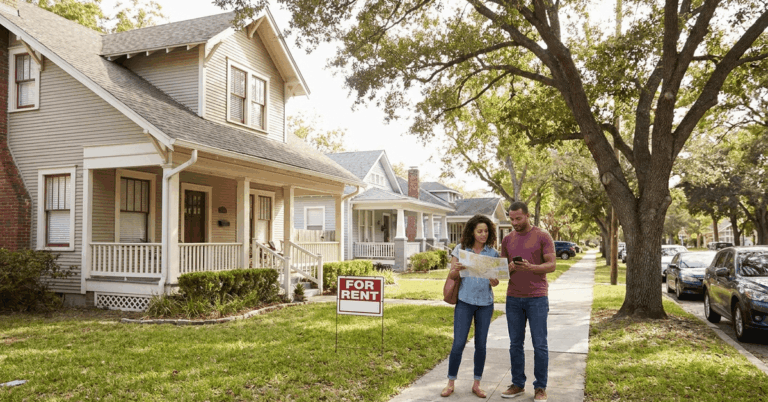
Searching for affordable houses for rent can be a surprisingly complex journey. For many, it’s less about finding the cheapest listing and more about balancing comfort, security, and location.
Whether you’re relocating for work or simply looking to save on monthly expenses, there’s a wide spectrum of choices out there. Anyone interested in stretching their budget without sacrificing too much typically weighs numerous factors along the way.



This guide aims to clarify what’s really available— and perhaps, what’s realistically possible in the rental market right now.
Understanding the Demand for Affordable Rentals
The current landscape for rental properties is shaped by shifting economic trends and evolving lifestyles. With rising living costs, many renters are prioritizing affordability over luxury amenities.
This isn’t simply a matter of personal preference. It’s a response to market pressures, wage growth, and, occasionally, local housing shortages. The definition of “affordable” itself can change, especially between urban and rural locations.
Many prospective renters might notice that listing prices are sensitive to regional shifts. Cities with booming job markets or growing populations tend to see higher rental rates.
Meanwhile, suburban or less densely populated areas can strike a balance between cost and convenience. What seems affordable to one household, though, may strain another’s budget—so personal needs certainly come into play.
Types of Affordable Houses Available
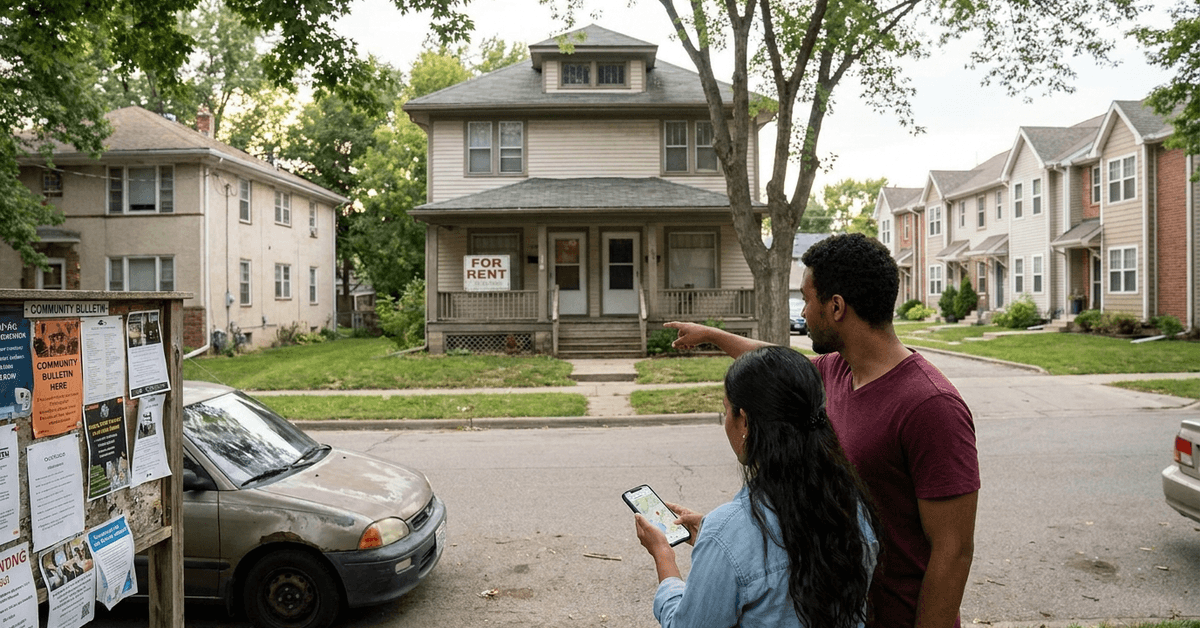
There’s variety in the pool of affordable houses for rent . These aren’t limited to traditional single-family homes. Duplexes, townhouses, tiny homes, and even certain mobile homes can fit within a modest budget.
Some people gravitate toward older properties because rent is often lower, even if the finishes are dated. Others weigh shared housing or accessory dwelling units for more flexible terms.
The range of available options can sometimes surprise first-time renters. Places that need some cosmetic repairs or have simple layouts tend to offer lower prices.
Over time, what people consider “affordable” housing adapts as new types of rental properties emerge—tiny homes and modular structures, for instance, have changed the market somewhat.
Key Factors Influencing Affordability
Location Adjusts Value
It’s not news to most: the neighborhood can be the largest driver of rent differences. In suburban neighborhoods on the outskirts, renters might pay significantly less than those in the heart of a city.
The trade-off, of course, is often a longer commute or reduced access to certain services. For some, this trade sounds absolutely worthwhile. For others—well—they might hesitate if daily travel isn’t practical.
Size and Amenities Shift Costs
Larger properties usually command higher rents, though there are exceptions. A three-bedroom in a smaller town might cost less than a studio in downtown. New appliances, parking, laundry, and yard access can push the price upward.
Sometimes, renters choose to sacrifice a few modern touches to stay well within their price range. Other times, the difference in quality really matters, especially if they plan to stay long-term.
Lease Terms and Conditions
Monthly rent is just the start. Lease terms—deposit size, included utilities, or pet allowances—add up quickly.
Flexible move-in incentives or rent discounts for longer leases are more common now. However, these perks often come with specific restrictions. Weighing the overall cost against the fine print matters more than many expect.
Finding Affordable Rentals: Tips for the Search
Many renters explore popular listing platforms like Zillow’s rental pages. Others consider using local property management companies for more personalized options. Neighborhood bulletin boards and community groups sometimes yield overlooked gems.
There are stories—probably too many—of people missing out on a great house just because they didn’t check every source. Yet not everyone has hours each day for this sort of search.
Utilizing Effective Search Filters
Searching by budget range, number of bedrooms, or location is almost standard. Still, keyword filters like “pets allowed” or “utilities included” can filter out unsuitable matches. Some renters notice that listings with minimal photos or vague descriptions might hide real bargains—or sometimes, just real headaches.
Staying Alert for New Listings
Affordable homes often get rented rapidly. Setting up alerts or checking fresh postings at least once daily increases the odds. While it may seem obvious, timing really can make all the difference. Competition for well-priced rentals remains high in most areas.
Balancing Cost and Quality
There’s always tension between what rent one can afford and the standard of living they aspire to. Occasionally, a property checks all the boxes but just feels wrong—perhaps the neighborhood’s too quiet, or the home needs more daylight.
Compromises become a reality for most renters, whether it’s putting up with a smaller yard or slightly longer drive. In my own moves, I’ve debated over things that felt minor at first but turned out to matter a lot over time.
Fixing a rental budget isn’t only about price—calculating utility costs, estimating regular repairs, and forecasting annual increases can give a fuller picture.
Renters who hope for long-term stability tend to research local rent controls or price trend reports, just for a sense of what’s sustainable. Resources like the U.S. Department of Housing and Urban Development provide useful information on affordable housing programs.
Common Pitfalls and What to Watch Out For
Scams and misleading listings are an unfortunate reality in the housing market. Fake listings, requests for upfront fees, or missing contact details raise red flags.
Renters sometimes rush through background research when a deal seems too good to miss. This can turn costly, both financially and emotionally. Discrepancies between a listing and what’s offered at a showing should trigger caution.
Reading reviews of landlords or property management agencies, when available, can offer unexpected insights.
Sometimes, a home’s online presentation hides inconvenient truths about maintenance or neighbor relations. It may not solve every dilemma, but extra diligence at this stage often seems worthwhile.
Legal Considerations in Affordable Rentals
Every renter benefits from some basic knowledge of rental laws. Regulations around lease agreements, security deposits, and habitability standards protect both landlords and tenants.
These rules vary by city and state, so looking into the local authority’s official guidance helps avoid surprises. Issues around eviction processes, rent increases, or property access come up more often in lower-cost housing.
State housing offices or local non-profits can offer resources, especially to first-time renters.
Understanding rights before signing a lease, especially in more affordable segments, feels crucial when comparing properties. Occasionally, a home’s low price comes with less straightforward terms buried in the paperwork.
How Affordable Rentals Support Diverse Lifestyles
Affordable housing serves a broader purpose than simple cost savings. Students, young professionals, families, and retirees each have different priorities.
Someone working a night shift might value quiet surroundings above a spacious living room; a parent may care more about school zoning. The diversity of affordable rentals reflects those needs, even when the options feel limited at first glance.
In fast-growing cities, affordable rentals can influence the makeup of entire neighborhoods.
Accessibility to jobs, healthcare, and public transit all come into play. This interplay shapes the sense of community and, sometimes, even local policies about housing development.
Market Trends Impacting Affordable Rental Options
Recent years have shown that rental prices rarely move in a straight line. Market downturns, economic expansions, or changes in remote work patterns can all impact demand for affordable houses.
Some markets experience inventory shortages while others see an uptick in available rentals. Watching economic indicators or following local news helps some renters anticipate price trends, though surprises are common.
Landlords may adjust incentives or lease terms in response to shifting conditions. Introductions of new housing developments or zoning changes affect the supply of affordable rental homes, sometimes quite unexpectedly.
These adjustments ripple through the market, influencing everything from security deposit norms to amenities offered.
Choosing the Best Fit: Questions Worth Considering
Selecting an affordable house for rent isn’t simply a numbers game. There’s a personal dimension to every decision: from commute times to neighbor interactions.
Residents might prioritize soundproofing or an extra half-bath over trendy fixtures or open floor plans. Lists of must-haves and nice-to-haves tend to evolve during the search process. It’s normal for the wishlist to change as new listings appear—or as new constraints surface.
Sometimes, renters settle into a place and discover its quirks—both good and bad—only with time. Living in a modest but comfortable home, saving for bigger goals, or just finding peace in a tranquil area—these values are all part of what makes one rental stand out over another.
Conclusion: Navigating the Path to Affordable Housing
In the end, seeking affordable houses for rent often feels like balancing aspirations with reality. The search is shaped by changing markets, individual needs, and a few unexpected detours.
Sometimes, the perfect rental doesn’t look exactly as imagined, yet proves just right for a phase of life. Staying informed, open-minded, and perhaps just a little bit resilient usually pays off in the long run.