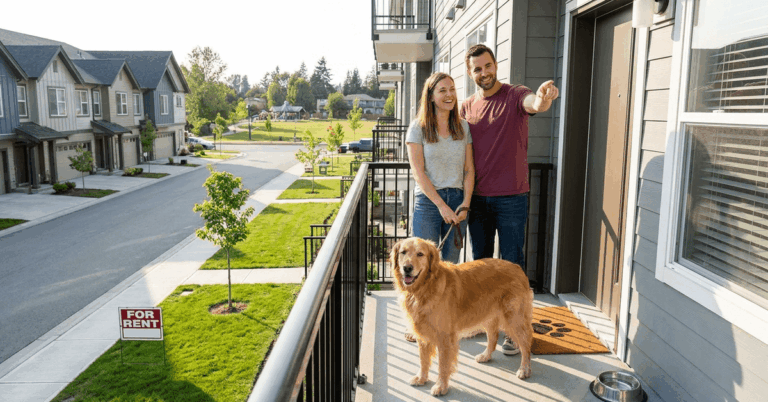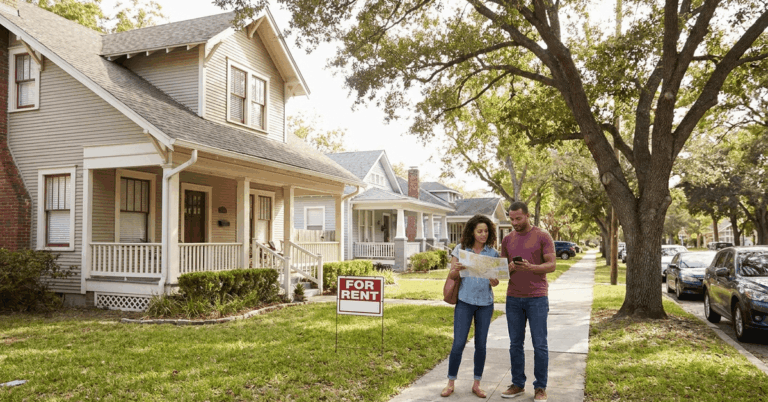
Finding apartments that allow pets can sometimes feel daunting for renters who consider their animals part of the family. This article explores the world of pet-friendly rentals, addressing the needs and concerns of anyone searching for welcoming housing solutions.
Whether you’re a first-time renter with a beloved cat or a family relocating with dogs, understanding your options can make a real difference. Having a pet can even influence your sense of comfort and well-being in a new space.



For those who see their pets as more than companions, but as family members, navigating the rental market takes thought and a bit of determination. Fortunately, more apartments today are starting to recognize this trend and respond with inclusive policies.
Why Pet-Friendly Apartments Are in Demand
The demand for pet-friendly apartments has grown over the past decade, largely fueled by the rising number of households with animals. People now expect housing to adapt to diverse lifestyle needs.
For many, a pet makes an apartment feel truly like home. It isn’t just about convenience; it’s related to emotional health, daily happiness, and even a sense of community.
Landlords gradually recognize these benefits. In cities where pet ownership is high, rental properties allowing animals tend to have higher occupancy and loyal tenants.
What Makes an Apartment Truly Pet-Friendly?
It’s not just about allowing pets in the lease. A genuinely pet-friendly rental provides features—such as nearby parks, pet waste stations, or non-carpeted floors—that cater to animals’ comfort and safety.
Consider, for example, the difference between a landlord with a no-restrictions open policy and one who supports tenants with amenities built for convenience. The atmosphere changes remarkably.
Often, the most welcoming apartments are managed by people who understand, perhaps from experience, how deeply pet owners care about their animals’ happiness.
Key Things to Check in Pet-Friendly Lease Agreements
The term “pet-friendly” alone doesn’t guarantee unlimited freedom. Rental agreements usually specify rules about breeds, size, and species. Reading terms carefully is an overlooked step, I think.
Some leases include pet deposits or monthly pet rent. These fees cover potential damages or increased maintenance associated with pets. Others simply ask for added insurance coverage.
In my experience, clarity in pet policies is essential. It’s easy to assume a place is fully accommodating until you spot clauses about weight limits or restrictions on exotic pets.

Common Restrictions and Requirements
- Breed or size limits
- Number of pets allowed
- Required vaccinations and documentation
- Mandatory pet interviews or references
- Additional pet deposits or fees
Popular Rental Platforms for Pet-Friendly Apartments
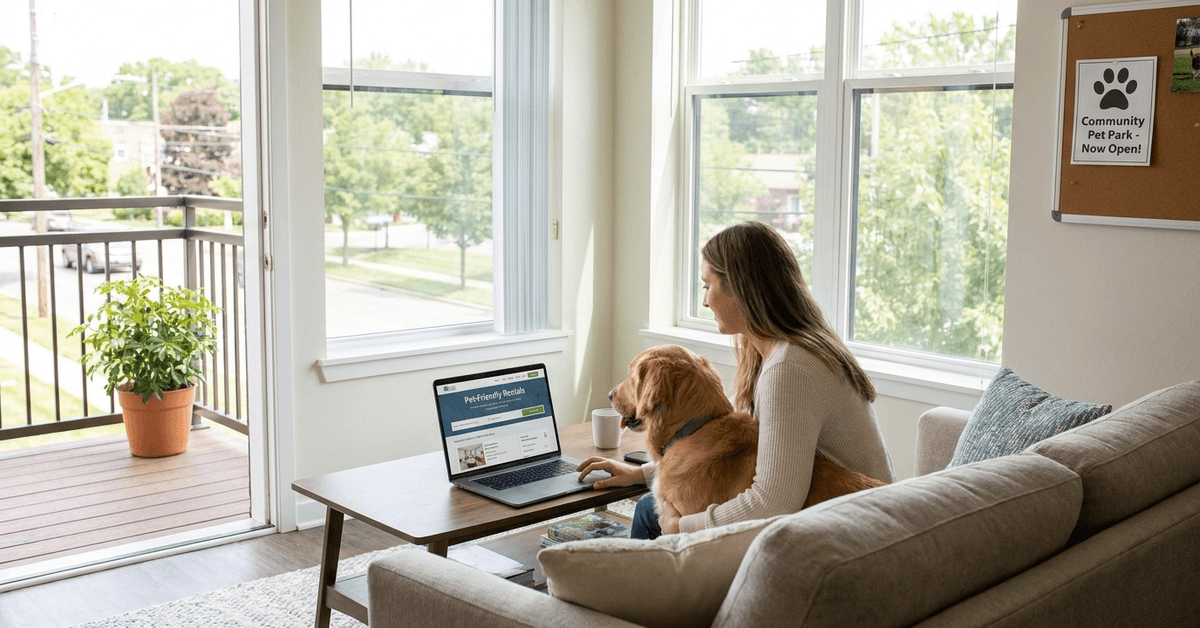
Finding reliable listings is key. The best-known platforms like Zillow Rentals and Apartments.com offer useful filters dedicated to pet-friendly homes.
Some newer sites focus exclusively on pet owners, curating listings where animal companions are as welcome as people. These resources may even provide neighborhood guides and community forums.
The experience of browsing features such as dog parks, walking trails, and animal hospitals nearby enriches the decision-making process.
Benefits of Living in Pet-Friendly Apartment Communities
Choosing pet-friendly living means less stress and fosters a sense of belonging—for both you and your pets. Pets benefit from routines that include exercise and stimulation.
Some communities offer socialization events or on-site amenities, like agility courses or pet washing stations. It’s a small thing, perhaps, but it creates connection among neighbors.
By embracing flexible policies, property managers attract responsible, long-term tenants who value stability and care deeply about their surroundings.
How to Search for Apartments That Allow Pets
While online tools are invaluable, sometimes the most effective searches begin offline. Recommendations from local animal shelters or veterinarians remain invaluable.
Networking with fellow pet owners often leads to insights about pet-friendly neighborhoods or landlords who genuinely understand the needs of pet families.
If a listing isn’t clear about its policies, a polite inquiry could open doors. Sometimes, landlords reconsider based on the applicant’s profile and pet history.
Questions to Ask During Your Apartment Search
- Does the lease specify allowed pets?
- Are there breed or weight restrictions?
- What deposits or fees are needed?
- Are there nearby parks or walking areas?
Tips to Make the Rental Application Stand Out
Adding a pet resume with references from previous landlords and vets can help. Providing vaccination records or demonstrating training encourages trust.
Including a photo and a personal note about your pet’s temperament creates a stronger impression. It’s not a guarantee but, from what I’ve seen, it sometimes helps.
A landlord who hesitates may be reassured by insurance documents or references that reflect your sense of responsibility as a pet owner.
Understanding Pet Deposits and Additional Fees
Many pet-friendly apartments include refundable deposits or non-refundable fees. These charges aim to minimize risk, not profit from pet ownership. It’s worth clarifying this in advance.
Monthly pet rent is another common policy. While controversial to some renters, it’s intended to cover extra wear and tear on the property due to animals.
A transparent conversation about damages can avoid headaches when moving out. Sometimes, tenants can negotiate lower fees based on their pet’s behavior or prior rental history.
Legal Considerations for Tenants with Pets
Fair Housing laws may provide important protections, especially if you have a service animal or emotional support animal. These are not “pets” under law and usually have broader rights.
Each region brings its own regulations regarding animals in rentals. Knowing local tenant protections is wise, whether renting in urban or rural settings.
Disputes over pet policies should be resolved in writing. Keeping copies of all agreements, insurance, and correspondence protects your interests down the line.
What to Do When You Can’t Find Pet-Friendly Apartments
Some renters encounter setbacks. In markets with tight supply, finding pet-friendly housing becomes challenging. You might need to consider slightly higher rent or alternative neighborhoods.
Exploring rental homes, duplexes, or privately owned properties could broaden your options. Individual landlords may have more flexible policies compared to large complexes.
Asking about waitlists for future openings or negotiating temporary arrangements sometimes produces unexpected results. Adaptability is key, though even then, not every search ends exactly as hoped.
Preparing Your Apartment for a Pet
Once approved, making your new place safe and comfortable for your animal is the next challenge. This often means basic pet-proofing and investing in appropriate furniture protection.
Setting up routines for exercise, feeding, and quiet time helps your pet adapt to their new home quickly. Small touches like window perches or scratch posts make a big difference for both you and your pet.
Neighbors, of course, appreciate thoughtful behavior. Good relationships start with noise management, cleanliness, and open communication about shared spaces.
Conclusion
Ultimately, finding apartments that allow pets means looking beyond obvious listings and considering what truly suits your lifestyle. More options are emerging every year.
Even in uncertain markets, there’s hope for pet owners who do a bit of extra research, ask questions, and present themselves as responsible tenants. With open communication and persistence, apartment living with pets is not just possible—it’s increasingly commonplace.