
Adopting a dog goes beyond just finding a pet—it’s about opening your heart and home to a new companion. Many people wonder how to easily discover dogs available for adoption in their area.
This article looks at the practical steps, considerations, and genuine experiences people often encounter when searching for dogs in nearby shelters.



Perhaps you’ve always loved dogs or maybe you’re just starting to explore the idea. Whether you live alone or with family, the journey can be rewarding.
And for those simply curious about pet adoption options , this guide could help make the process a little clearer and less daunting.
Why Adopt a Dog From a Shelter?
There are encouraging reasons why prospective pet owners lean toward adopting dogs from reputable shelters.
Each dog, after all, can bring something special to a household. At the same time, every adoption helps reduce unnecessary breeding and supports animal welfare efforts across communities.
Giving a Second Chance
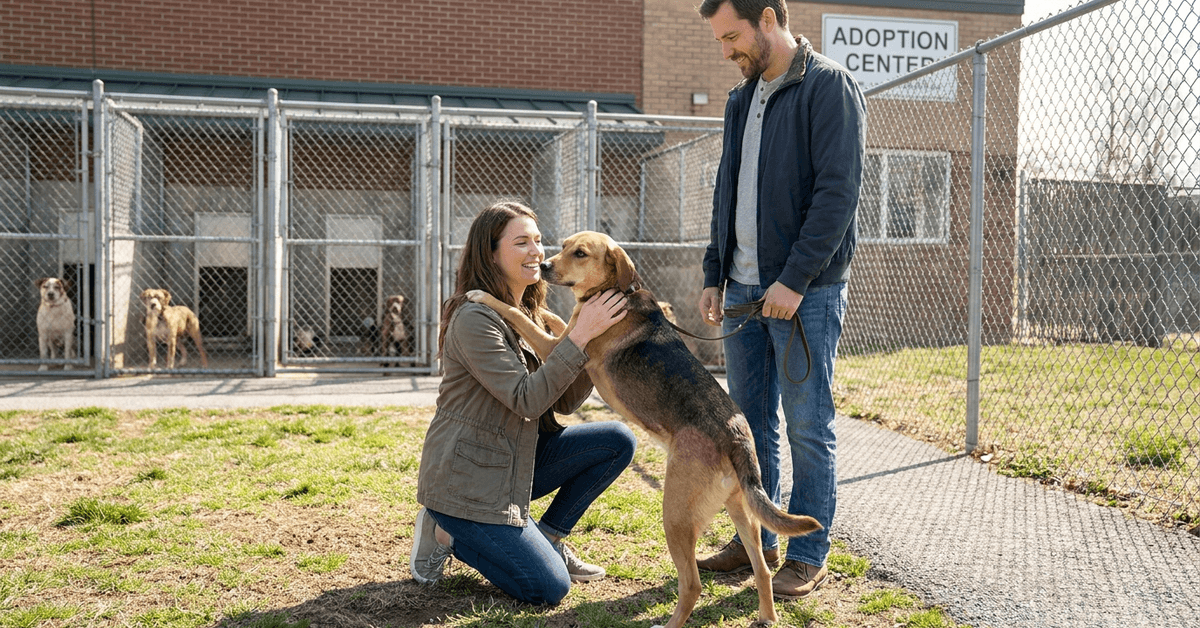
Most shelter dogs are simply in need of a second chance. Some come from tough backgrounds or unexpected circumstances, which, perhaps, makes their transition into a loving home even more meaningful for everyone involved.
Health and Care Checks
Shelters usually provide medical care, vaccinations, and basic behavioral assessments. Some people worry about the health of shelter animals, but in reality, dogs tend to be well cared for by dedicated staff and volunteers.
Reduce Overpopulation
By choosing adoption, individuals play a role in easing the burden on shelters and curbing the cycle of pet overpopulation. Some might view this as a small personal contribution, yet in the bigger picture, it can add up to significant change over time.
How to Find Dogs Available for Adoption Near You
The process of locating adoptable dogs can seem overwhelming at first, but with a little direction, it often gets easier. Technology has made it simple to explore nearby animal shelters and their adoption programs from almost anywhere.
Online Search Tools
Websites such as Petfinder, Adopt-a-Pet, and the American Society for the Prevention of Cruelty to Animals regularly update their listings with available dogs. A few quick searches by location can reveal a wide variety of breeds and ages, from energetic puppies to serene seniors. Preferences can be filtered, and often, photos and notes are included for each dog.
Checking Local Shelters Directly
Some prefer to search through their city or county’s official animal services page. Many organizations post daily updates and foster programs on their own sites. This could make it easier to track upcoming adoption events or to contact a shelter directly for more details.
Visiting in Person
Though online research is valuable, visiting a shelter in person—and seeing how dogs interact—gives a clearer sense of each dog’s personality. Perhaps, there’s no substitute for sitting quietly and watching how a potential new friend responds to you. Some people mention unexpected connections, even when they had a specific breed in mind.
What to Consider Before Adopting a Dog
Before making a final decision, it helps to reflect on lifestyle, living arrangements, and long-term plans. These considerations can shape which type of dog—or even whether now is the best time for adoption—will fit best.
Home Environment
Think about the amount of space at home. Dogs vary greatly in exercise needs; while some thrive in apartments, others need a yard or access to open spaces. Occasionally, a mismatch can cause frustration for both pet and owner.
Time Commitment
Adopting a dog means being available for feeding, exercise, training, and companionship. Puppies tend to need more frequent attention, while older dogs might settle in quietly but still benefit from regular walks and social interaction.
Finances
Veterinary bills, food, grooming, and licensing can add up. While many shelters offer vaccinations or microchips as part of the fee, it’s smart to consider long-term expenses and be honest about one’s budget for ongoing care.
Family and Other Pets
If others are living in the household or there are existing pets, it’s worth discussing adoption plans in advance. Not every dog matches every environment, and some may need extra time to adjust. Personalities, age of children, and household schedules all play a role in a smooth transition.
How the Adoption Process Usually Works
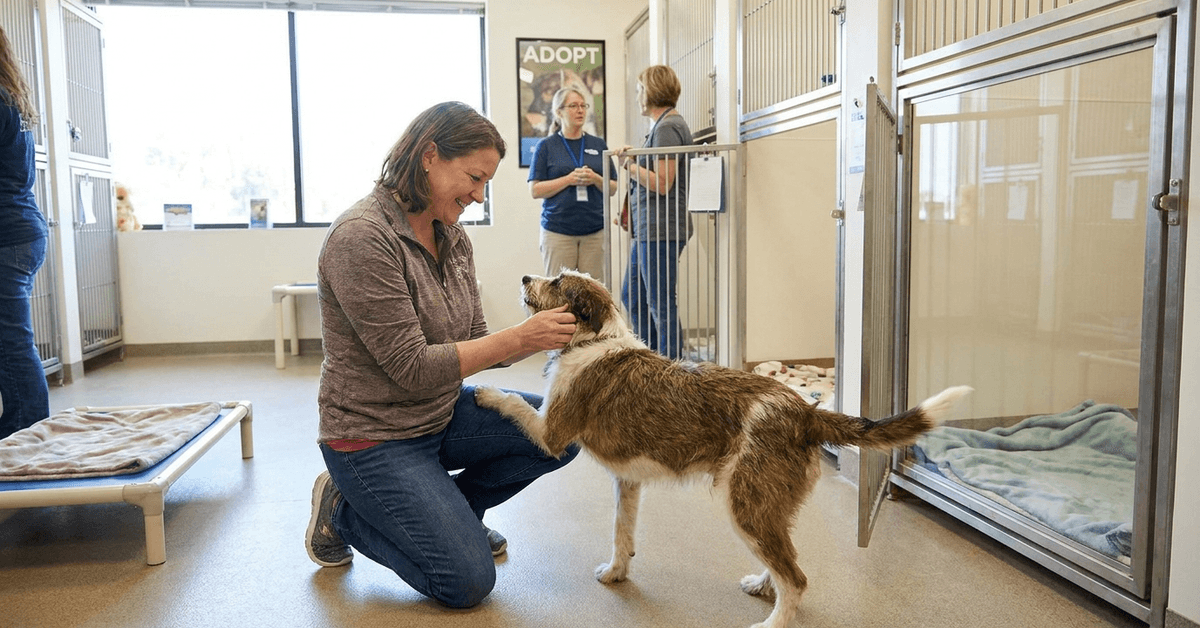
Each shelter may have its unique process, though many steps tend to be similar. There’s usually an application, a meeting period, and some paperwork. The flow might look a little like this:
- Initial search (online, in-person, or by phone)
- Submit application form
- Shelter interview or casual meeting
- Meet-and-greet with dog (sometimes multiple visits)
- Home check or reference call (depending on the shelter)
- Finalizing adoption and paying the fee
- Taking your new friend home
Popular Dog Breeds Often Available for Adoption
Shelters and rescues see all types of breeds and personalities. However, certain kinds tend to show up more frequently in particular areas, sometimes due to local preferences or puppy mill activity. Commonly seen breeds include:
- Labrador Retriever and mixes
- German Shepherds
- Pit Bull types
- Chihuahuas
- Dachshunds
- Poodles and doodle mixes
- Senior dogs of all breeds
Sometimes, mixed-breed or so-called ‘mutt’ dogs surprise people with their loyal, balanced nature and relatively few health issues.
Benefits of Choosing a Nearby Shelter
Local shelters enable easier visits, which make bonding and introductions smoother. Many also offer support after adoption, answering questions or guiding people through the early weeks. This might build a sense of community for new pet owners who want to connect with others nearby.
Support and Resources
Most reputable shelters have adoption counselors who can answer questions about behavior, house training, dietary needs, or breed quirks. This level of support can sometimes be rare with online-only operations or distant breeders.
Follow-Up Services
Some shelters offer post-adoption contacts, training classes, or even temporary foster options. For new owners feeling a bit unsure, knowing there’s a safety net and guidance available makes a difference.
Tips for a Successful Dog Adoption Experience
Even experienced dog lovers encounter surprises during the adoption journey. To make things smoother, consider these tips—not as hard rules but as thoughtful reminders based on everyday experiences:
- Spend quiet time with a dog before deciding
- Ask about known history, temperament, and training
- Bring all household members (including other pets, when allowed) for an initial meeting
- Prepare your home environment in advance
- Be patient after bringing the dog home; adjustment can take time
- Use positive reinforcement for training and bonding
Legal and Health Requirements for Adopting a Dog
Dog adoption is regulated locally, with requirements often designed to protect the pets’ welfare and public safety. Shelters generally insist on certain basics before letting a dog go to a new home.
Vaccinations and Microchipping
Most shelters will vaccinate, worm, and microchip dogs as part of the adoption process. These measures ensure dogs are less prone to common illnesses and make it easier to reunite lost pets with their owners. Different areas may have other required vaccines. If in doubt, shelter staff are typically happy to clarify.
Licensing and Identification
Some states or regions require newly adopted dogs to be licensed. This usually involves a small fee and helps local authorities monitor animal welfare. ID tags on collars are also a good idea, as they provide fast contact details if a pet strays.
Home Visit Policies
Occasionally, shelters conduct home visits before or after adoption to ensure suitability and safety for the pet. While this might feel a little intrusive, most people find it’s just about ensuring everyone’s best interest.