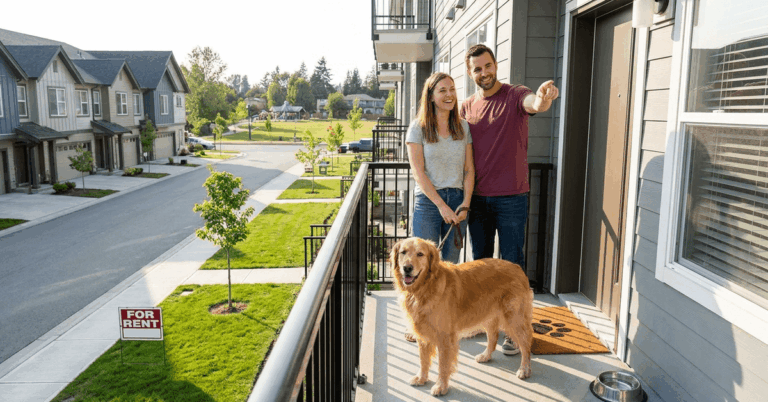
Searching for adoptable dogs near you can feel both exciting and a bit daunting. For pet lovers, especially those interested in animal welfare, learning how to discover available pets in your area brings hope and opportunity.
Whether you’re a first-time adopter or just curious about the process, knowing where and how to look can make things a lot easier.



This guide is designed especially for individuals and families who want to better understand the pet adoption landscape.
By exploring key points about shelters, rescues, online tools, and the adoption experience, you’ll feel more equipped to navigate the journey. Most importantly, you’ll see how your actions can impact the lives of animals—one gentle step at a time.
Understanding the Local Dog Adoption Ecosystem
There’s often a sense of mystery around how dog adoption works. Maybe you’ve wondered: Are the animals healthy? What if you have specific preferences? Is the process complicated?
While these questions are common, the good news is thousands of wonderful pets are looking for loving homes. Many shelters and rescue groups operate with strong support from communities, bringing together volunteers, veterinary care, and transparent adoption processes.
Shelters vs. Rescue Groups
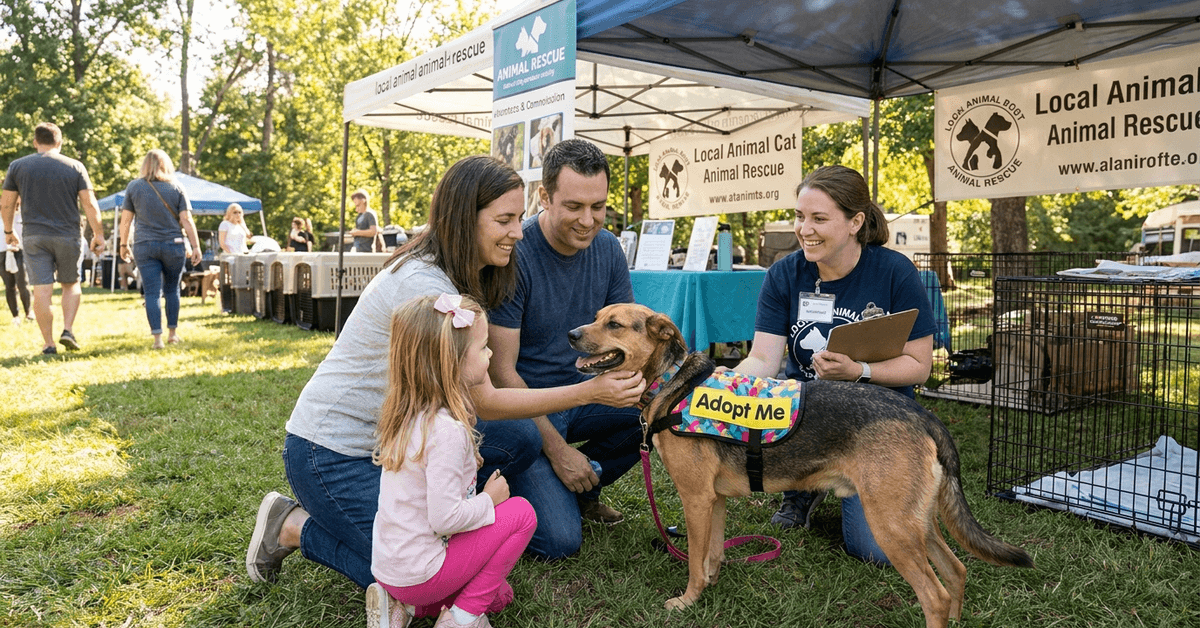
Some may not realize that there is a difference between municipal animal shelters and nonprofit dog rescues.
Shelters typically take in all strays or surrendered animals, offering temporary refuge and attempting to reunite lost pets with owners or place them with new families.
Rescues usually focus on specific breeds or urgent cases, often relying on foster homes before dogs are available for adoption.
Availabilities Change Frequently
Adoptable dogs come and go regularly. Statistics show that in urban areas, shelter populations can change from week to week. Checking frequently increases your chance of finding a suitable companion, especially if you have particular needs or preferences.
The Importance of Location
Searching locally increases the possibility of a strong match and makes the logistics of meet-and-greets, home visits, or paperwork easier. Dog adoption is about more than just clicking a photo—it’s about making a thoughtful, informed decision, often after a process of visiting, asking questions, and reflecting.
How to Search for Adoptable Dogs Near You
Several resources make it possible to find available pets for adoption without much hassle. Modern adoption processes blend technology with hands-on experiences, ensuring access and efficiency while maintaining the personal touch adopters need.
Adoption Websites and Pet Match Services
National adoption platforms allow you to search by zip code, breed, size, and age. You can start by exploring listings on trusted networks, such as:
- Petfinder – A comprehensive database, offering filters by gender, age, and even special needs.
- Adopt-a-Pet – Features dogs from both rescues and shelters nationwide, with photo galleries and pet stories.
- Your local animal control or shelter website – Direct information about adoptable dogs in your immediate area.
While these sites serve different purposes, most display photos, pet bios, and details about the adoption process. It’s sometimes surprising just how much personality comes across online—quirky narratives or vivid photos may reveal quite a bit about an animal!
Visiting Shelters In Person
Some find that seeing dogs in person changes their perspective. Most public shelters have set visiting hours, and staff can answer questions about temperament, medical history, or adoption requirements. Don’t be discouraged if a first visit doesn’t result in an instant connection. Sometimes, pets need time to warm up—or perhaps the right dog just hasn’t arrived yet.
Community Events and Foster Networks
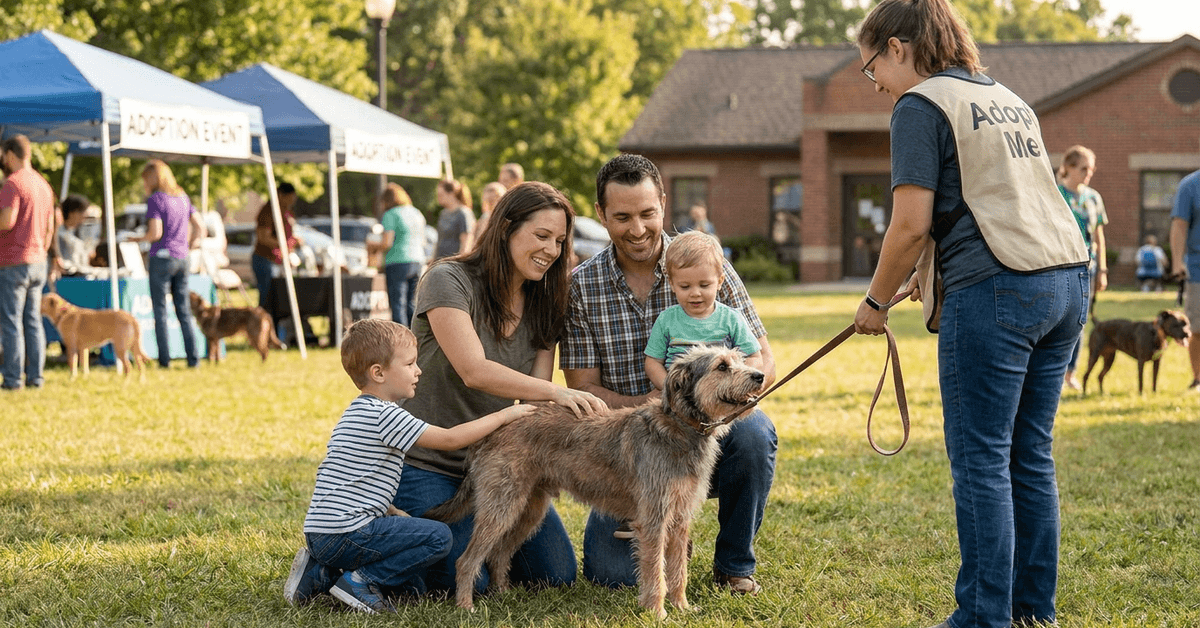
Adoption fairs and community events make meeting local pets easier. Foster-based rescues often host meet-and-greets, inviting interested people to interact with dogs in relaxed environments. These gatherings support deeper insights into behavior since dogs may act differently in home-like settings than in kennels.
Key Factors to Consider Before Adopting
The process of adopting a dog involves more than initial attraction. Taking stock of your lifestyle, available time, and living situation matters a lot for a successful match. Not every dog is suitable for every environment. Here are a few things to think about:
- Activity level : Highly active breeds may thrive in homes with access to yards or trails.
- Age of the animal : Puppies require time, patience, and training; older dogs may be calmer and sometimes easier to manage.
- Home environment : Consider children, other pets, or frequent guests.
- Special needs : Some adoptable pets need ongoing medical care or modifications for disabilities.
Every adoption is a two-way decision. Staff or volunteers at shelters may offer input, sometimes steering you toward a better fit. It’s normal to have mixed feelings or uncertainty—it just means you want to make a conscientious choice.
The Adoption Process – Step by Step
Once you’ve identified a dog you’d like to meet, the next phases usually follow a clear series of steps. There might be a bit of variation depending on shelter policies or location, but most processes share certain features:
- Initial application : This form helps organizations learn about your home and expectations.
- Meeting the dog : In-person time gauges chemistry and lets you see how the dog interacts with family members.
- Home check or interview : Some organizations visit your home or conduct in-depth interviews, particularly for certain breeds or if you have other pets.
- Adoption fee and paperwork : Fees typically help cover vaccinations, spaying/neutering, and microchipping.
- Transition time : Even after adoption, many shelters provide support—sometimes helpful advice or contacts if questions arise later.
Adoption Timelines
Some adoptions proceed quickly, especially when there’s high demand, while others may take longer as organizations match pets with homes. For those ready to spring into action, patience and open communication go a long way.
Benefits of Dog Adoption for People and Pets
Maybe you’ve heard about the joys of animal companionship, but the impacts of dog adoption reach further than many imagine. Studies consistently find that pet owners enjoy improvements in mood, activity levels, and even social connections. At the same time, every adoption creates space at shelters for new arrivals and eases strain on resources.
- Companionship : Dogs often adapt well, offering empathy, loyalty, and sometimes that comic relief only pets can muster.
- Health benefits : Walks, play time, and daily care routines encourage more active living.
- Community impact : Adopters often become ambassadors, sharing their positive experiences and sometimes volunteering.
There are certainly adjustments, but these can bring even higher rewards in daily life and personal well-being.
Common Myths About Adoptable Dogs
It’s reasonable to have some hesitation. Perhaps concerns about medical histories, behavioral issues, or the notion that only “problem” dogs end up in shelters have come up among friends or family. But a closer look often reveals many dogs simply faced tough circumstances—moving, changing family situations, or mismatched expectations. Most are just waiting for a chance.
- Many shelter dogs have basic training and are socialized.
- Health screening, vaccinations, and spaying/neutering are provided prior to adoption.
- Puppies and popular breeds do appear, though they may get adopted quickly.
The right questions can help set accurate expectations and lead to better outcomes. If doubts linger, shelter staff are usually happy to talk through specifics or dispel misconceptions.
Supporting a Safe and Responsible Adoption
Informed choices are safer choices, both for adopters and pets. Adhering to local regulations, thoughtfully considering breed characteristics, and preparing your home all play into a positive experience. Some adopters find it helps to visit a few times, ask about return policies, and read about what to expect in the first days and weeks after bringing a dog home.
Legal and Regulatory Considerations
State or municipal requirements may include licensing, microchipping, and proof of vaccinations. Responsible adoption centers provide up-to-date information and documentation. There could be differences by county, so checking details in advance can help prevent pitfalls and delays.
Post-Adoption Support
Reputable organizations often provide follow-ups, advice on training, or sometimes free vet checkups. These resources can be reassuring—especially for new pet owners. Staying engaged with local pet communities may add another layer of support and enjoyment.
Recommended Next Steps & Resources
As interest in adoptable pets continues to rise, exploring additional learning opportunities might help solidify your decision. Possible next moves could involve:
- Reviewing available dogs on large search platforms
- Visiting your municipal animal shelter’s website
- Checking the hours for nearby adoption events
- Contacting local veterinarians or dog trainers for insights
Learning about pet insurance, wellness plans, and dog-proofing your space further prepares you for a smooth transition.