
Finding household deals can feel overwhelming, especially when every store claims the lowest prices. If you’re someone who enjoys making thoughtful, budget-friendly decisions, exploring today’s best offers might be rewarding.
The constantly changing market means there’s almost always a new promotion, special discount, or limited-time offer.



This article explores the most popular types of household deals available, tips to recognize genuine savings, and practical suggestions to help anyone—whether a student, family manager, or first-time renter—make the most out of today’s offers.
Why Searching for Household Deals is Worthwhile
People have different motivations for seeking out household savings . While some say it’s about stretching the monthly budget, others mention enjoying the satisfaction of a good find.
For some, it’s simply about getting the most value for their money in a world where expenses rarely go down.
Everyday Essentials Add Up
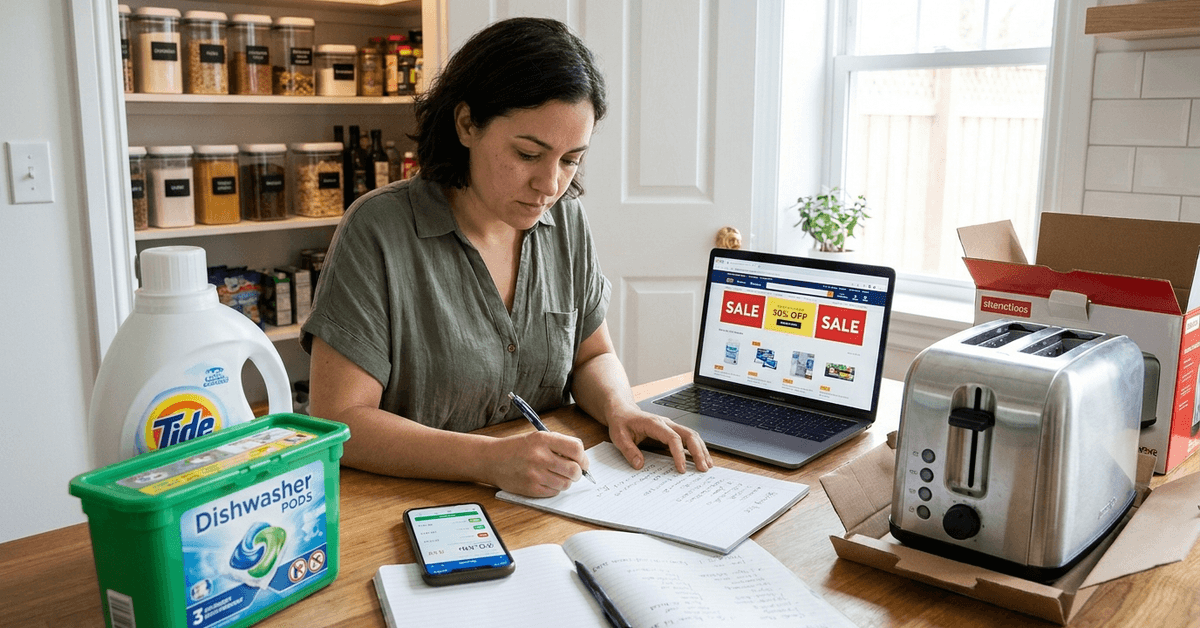
From laundry detergent to kitchen appliances, the little things quickly amount to significant costs.
Spotting a 20% discount on cleaning supplies or a price drop on a microwave perhaps doesn’t seem huge. Maybe it’s just a few dollars. But across a year, those savings can really add up.
Seasonal and Flash Sales
Many retailers arrange seasonal campaigns or short-term “flash” sales. It’s not uncommon to see appliances, cookware, or decor offered at up to 50% off, mainly around holidays or end-of-season clearances.
Sometimes the urgency helps—though, perhaps, it encourages overbuying, which everyone tries to avoid.
Bundling and Bulk Offers
Some households benefit from bundle deals. Combining products—like buying a set of kitchen gadgets together—can sometimes lead to a lower overall price.
However, it may leave you with something unused. Still, for items people genuinely use, bundled offers could be practical.
Top Types of Household Deals Available Today
With the sheer number of offers online and in physical stores, sorting through them can become a daily puzzle. Below are some of the most common deal categories one might encounter:
Discount Codes and Digital Coupons
Online vouchers are especially popular. Retailers such as Target, Bed Bath & Beyond, or even independent e-commerce websites routinely provide codes offering anywhere from 10% to 30% off select products or entire carts. These codes are sometimes hidden on the retailer’s own homepage or distributed via email newsletters.
Loyalty Program Rewards
Major supermarket and department store chains often provide loyalty points or digital credits, which can translate into future discounts. While every program varies, participating shoppers earn points on each purchase, accumulating future value with frequent visits.
Outlet and Clearance Section Offers
Some of the strongest discounts are hidden in outlet stores or website clearance sections. Outlets specialize in last season’s stock, and clearances usually involve surplus, discontinued, or slightly imperfect goods. It might require patience to sort through, but sometimes true bargains emerge.
Cashback and Rebate Programs
Companies like Rakuten or Ibotta partner with retailers to provide small amounts of money back for qualifying purchases. Cashback apps are becoming more common, and though the returns may feel minor per transaction, frequent users might notice a cumulative effect over time.
How to Identify Genuine Offers Among Household Deals
While it’s easy to get carried away with colorful discount banners, it can also be helpful to pause and examine deals closely.
For example, not all “40% off” signs mean the lowest price, especially if prices were marked up first. Perhaps a second of research or comparison shopping goes a long way toward confirming a real bargain.
Compare Historical Prices
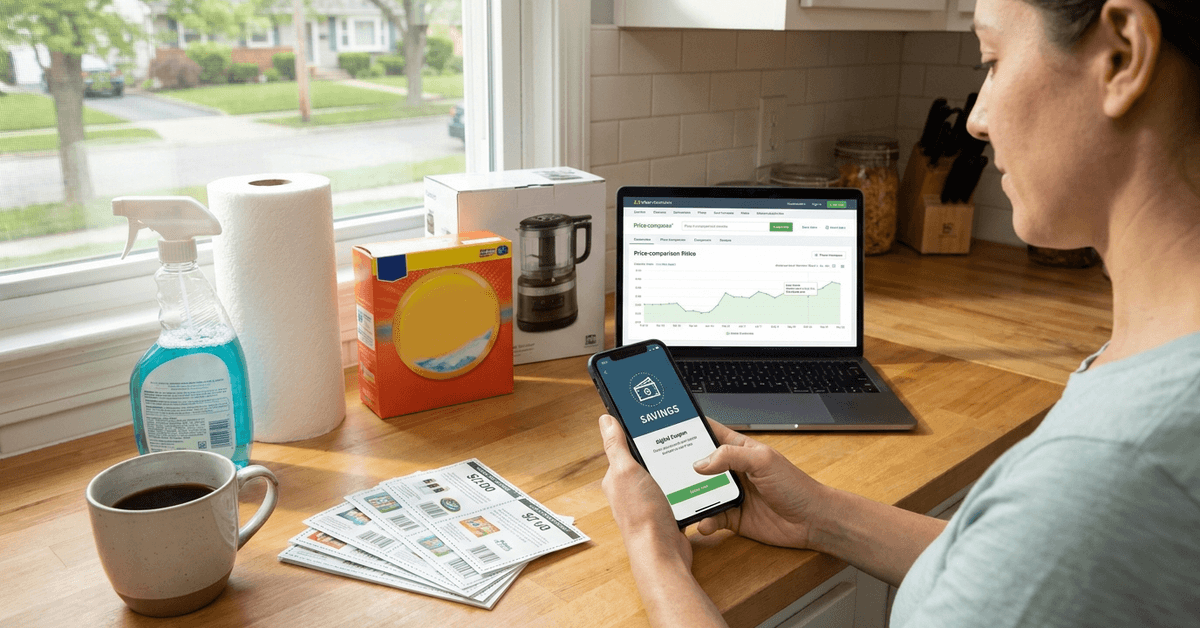
Several price-tracking websites show historic trends for common household products. If an item appears to regularly fluctuate, some shoppers find waiting until a price hits its average low can yield better results. No guarantee, naturally, but it’s a useful starting point.
Consider Product Necessity
Sometimes, the lowest price is for something not genuinely needed. It happens more than most would like to admit. It might be tempting to grab that discounted bread maker, but only if it won’t end up gathering dust.
Watch for Hidden Costs and Restrictions
Certain deals include conditions, like “minimum spend” or “online only.” Reading the fine print—admittedly tedious—can shield buyers from unexpected shipping fees, loyalty program exclusions, or non-refundable purchases.
Most Popular Household Offers Right Now
Though today’s deals shift quickly, a few types of offers seem to dominate the current landscape. Some of the most sought-after include:
- Appliance trade-in programs at major electronics retailers, trading up for discounts on new models
- Subscription bundles for cleaning and laundry supplies, with introductory rates for first-time orders
- Buy-one-get-one (BOGO) deals on consumables like dish soap, sponges, or surface sprays
- Discounts on “smart home” devices; thermostats, security lights, or robot vacuums
Perhaps what stands out is how wide the field really is. Offers are available through stacks of sources—retailer newsletters, browser extensions, and even social media platforms. Sometimes this much choice feels overwhelming, but selective curiosity can help cut through noise.
Practical Suggestions for Finding and Using Today’s Household Deals
While some may find deal hunting a bit of a hassle, others see it as almost a game. Regardless of approach, there are a few practical moves that could simplify or maximize results.
Sign Up for Alerts and Newsletters
Most leading retailers—both digital and brick-and-mortar—offer weekly emails outlining their new household promotions. Signing up may mean an inbox cluttered with ads, but also first access to time-sensitive deals. Separate email folders may help keep things organized.
Create a Shopping List and Set Priorities
Lists help avoid the most common pitfall: buying for the sake of a deal alone. Prioritizing everyday essentials (think: trash bags, light bulbs, paper towels) might keep spending focused, especially when larger discounts appear on less urgent items. Of course, it’s human to be tempted occasionally.
Compare Across Different Platforms
It’s not always obvious that a major retailer’s “biggest sale” is matched or bettered by a competitor down the street—or online. Today’s price comparison apps and browser extensions make cross-checking offers faster. Even a brief scan can sometimes uncover price differences on nearly identical items.
Use Cashback and Rewards Stacking Methods
Stacking, or combining, cashback offers and coupon codes is increasingly common. Taking advantage of overlapping programs—even if the combined percentage seems modest at first glance—has the potential to nudge total spending lower in the long term.
Balancing Smart Shopping With Real Needs
It’s easy to get caught up in the thrill of savings, but honest self-reflection helps too. Is “deal fatigue” a thing? Perhaps. Sometimes, stepping back to consider whether a promotion aligns with an actual need (or just a fleeting want) can keep one from overbuying or cluttering the home with not-so-useful gadgets.
Interestingly, a few people find comfort in not chasing every deal, focusing instead on a handful of trusted sources. In the end, perfect frugality is never fully attainable—everyone misses something now and then.
Household Deal Trends to Watch For
Deal culture has evolved, especially in the last few years. Some noteworthy shifts include:
- Increased focus on eco-friendly bargains (think reusable containers, bamboo cleaning supplies)
- Subscription box discounts growing, particularly for kitchen staples and pantry items
- “Instant rebate” promotions replacing mail-in rebates for faster savings
- Private-label brands launching exclusive offers online only
Not every new trend sticks. Some fade out as quickly as they appeared. Yet, keeping an eye on what’s changing might help in planning future purchases.
Responsible Use of Household Deals
Finally, a brief word on responsible shopping. Many experts, and plenty of average shoppers, recommend balancing excitement over savings against real storage space, budget, and need. Occasionally, saying no to a tempting discount is itself a form of smart shopping.
Sticking to ethical retailers, respecting product reviews, and watching out for counterfeits or deceptive offers help keep deal hunting both safe and satisfying. Learning gradually, making the occasional miscalculation along the way seems just part of the process