In e-commerce’s high-volume reality, DPD Delivery Driver Jobs sit at the front line of customer experience, parcel accuracy, and on-time service.
Applicants typically choose between employed roles at DPD companies and self-employed routes operating through local transport partners, depending on country rules and depot needs.
Across markets, DPD promotes clear entry paths, structured onboarding for employees, and digital tools for daily work, while system partners handle recruitment and vehicle deployment for the last mile.
What the Role Involves
Daily work centers on loading, routing, safe driving, accurate scanning, and professional doorstep handoffs under tight delivery windows. Couriers represent the brand to consignees.
In several countries, DPD clarifies that drivers delivering parcels are engaged through system partners, not directly by DPD companies, and applications are forwarded to those partners for screening.
Expect mobile handheld workflows, real-time support, and depot coordination that prioritize service quality and first-attempt success. Where roles are employed, HR materials highlight structured onboarding plans, welcome kits, and guided depot introductions to shorten ramp-up time.
Salary and Pay Models
Growing parcel volumes have created several earning models, each tied to contract type, route density, vehicle costs, and depot geography.
Marketing pages for the UK describe tiered options including Employed Driver, Owner Driver Worker, and DPD owner driver models, plus Connect app work paid hourly.
Independent salary snapshots show different outcomes country to country, so candidates should benchmark against local postings.
| Market or Program | Contract Type | Typical Pay Signal | What To Note |
| UK Owner Driver | Self-employed franchise | “From £50k to £60k per route” | Vehicle, insurance, tax, and operating costs sit with the driver. |
| UK Connect | App-based car deliveries | “Up to £18 per hour” | Weekly payouts, own vehicle required. |
| Ireland Delivery Driver | Employed roles common | Around €132 per day reported | Snapshot based on Indeed postings, varies by depot and shift. |
| EU System Partners | Employed by partner or subcontracted | Route or day rates vary | Partners recruit and set packages under local rules. |
Illustrative earnings above are public signals, not guarantees; actual pay depends on contract category, volume, quality metrics, costs, and calendar peaks.
Applicants should compare depot-specific offers and ask for written rate cards and expense responsibilities before signing.
News coverage in late 2025 also shows that self-employed rates can change, making it important to scrutinize contract revisions and recourse.
Contract Types Explained
Employed Driver roles place the vehicle and its maintenance with the employer, pair earnings with paid leave and sick pay, and assign routes as needed by the depot. Self-employed courier jobs via partners typically pay:
- per stop,
- per route, or
- per day,
while placing fuel, insurance, and van costs on the driver or the partner fleet.
Hybrid models, such as Owner Driver Worker in the UK, combine self-employment status with certain paid benefits, which may trade a portion of headline earnings for stability.
Country HR pages and program disclosures describe which options are available locally and whether a transition between categories is possible once performance and compliance meet internal thresholds.
How to Apply For DPD Delivery Driver Jobs
Rising e-commerce volumes mean vacancies open frequently, but routes fill quickly during peak seasons.
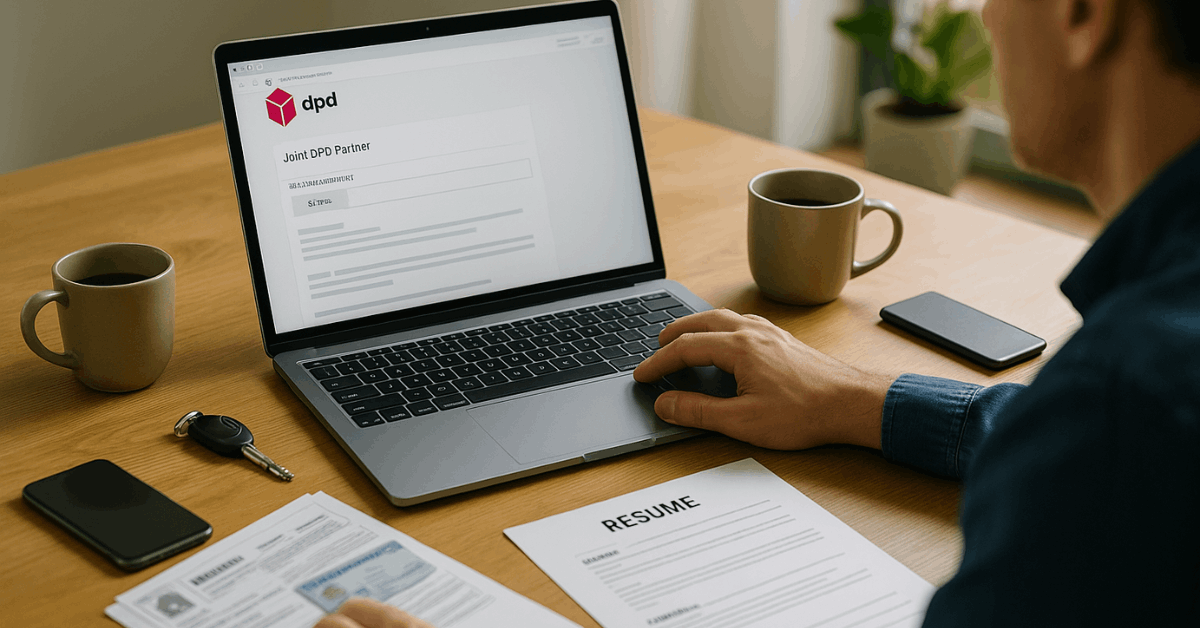
Applications generally start online, followed by depot contact or a partner interview, then route familiarization and training. Keep documents ready in PDF to accelerate screening.
- Use the DPD online job finder: Search country pages for current driver listings and apply directly.
- Send an unsolicited application: If no suitable vacancy appears, submit a general application and request routing to the correct depot.
- Apply via the delivery partner form: Several sites let you submit details to system partners that employ couriers for DPD network routes.
- Follow local Connect or app programs: Some markets accept flexible drivers who use personal cars for short-run work.
Common Requirements and Documents
Entry requirements vary by country and partner, yet recurring patterns help you prepare.
Screening favors clean driving records, right-to-work documents, and fitness to handle repetitive loading. Partner roles may also specify vehicle classes and security checks.
- Minimum age and license: Several markets list 21 years and a valid class B or local equivalent, plus a safe record.
- Vehicle standards: Partner listings often require small vans up to 3.5 tonnes, or fleets for system partners, including registration and insurance.
- Local permits and compliance: Certain jurisdictions cite specific permits such as RUTA and LINTI; verify local transport rules before applying.
- Character and background checks: Clean record, reliability, and customer orientation feature prominently.
- Document format: Several HR pages request concise CVs, PDF format, and supporting references within size limits.
What Partners and Depots Look For
Hiring teams prioritize consistent punctuality, parcel care, and professional handoffs that reduce redeliveries.
Friendly, well-presented drivers score better on feedback metrics that influence route allocation and earnings stability.
DPD’s people materials emphasize inclusive culture, safety, and support mechanisms for colleagues and business partners, so expect questions about teamwork, problem solving, and how you handle peak pressure.
Vehicles, Loads, and Practical Fit
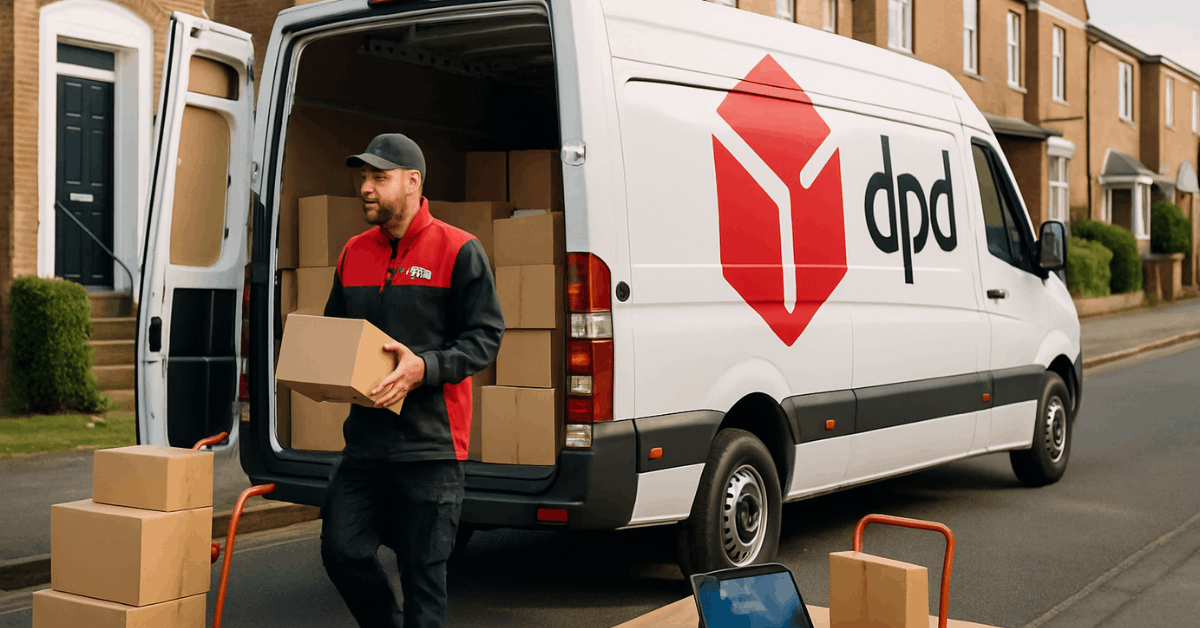
Most last-mile work runs on light commercial vans within the 3.5-tonne category common across Europe, sized for typical parcel dimensions and urban access rules.
Partners may request multiple vehicles in good technical condition, particularly for system partner tenders covering several tours.
Company pages also highlight modern equipment and digital support for scanning, navigation, and customer updates that help maintain service KPIs.
Training, Onboarding, and Culture
Employed entrants can expect structured onboarding plans, guided depot walk-throughs, and a welcome pack to speed adaptation.
Several countries’ HR pages note rotation opportunities across departments, which can help long-term career mobility inside the network.
At the brand level, sustainability and safety commitments appear in codes of conduct and annual sustainability reporting, which align depots and partners to consistent standards.
Practical Tips to Strengthen an Application
Careful preparation prevents delays and reduces the need for repeated document requests. Aim for clarity and depot relevance when describing vehicle access, route familiarity, and local geography.
- State the exact contract type sought: Clarify interest in DPD delivery partner roles, employed posts, or hybrid options.
- Attach route-ready evidence: Add license copies, insurance, right-to-work proof, and any clean-record certificates in one PDF.
- Explain vehicle availability: Specify van model, payload class, and maintenance status, or note willingness to lease.
- Confirm schedule flexibility: Peak season and weekend availability can unlock steadier route allocations.
- Ask about rate structure and costs: Request written rate cards, stop counts, fuel handling, and holiday or sick-pay terms before signing.
Sustainability and Community Signals
Geopost/DPDgroup communicates a transition away from legacy carbon-neutral labels toward a science-based net-zero plan that targets 2040, with SBTi approval for near- and long-term goals in 2023.
Local country sites echo the climate direction and call out greener delivery pilots, which can influence fleet guidance and urban access.
Applicants aiming to future-proof earnings should pay attention to low-emission zones, e-van options, and depot charging plans.
Conclusion
In a crowded last-mile market, treating DPD delivery work like a professional trade pays off fast. Contracts differ, so confirm the exact model, get rates in writing, and map all operating costs.
Strong applications highlight clean records, route knowledge, well-maintained vans, and availability during peak and weekend hours.
Digital scanners, depot support, and structured onboarding will help meet first-attempt success targets consistently. Attention to sustainability rules and low-emission zones positions you for steadier routes and long-term earnings.