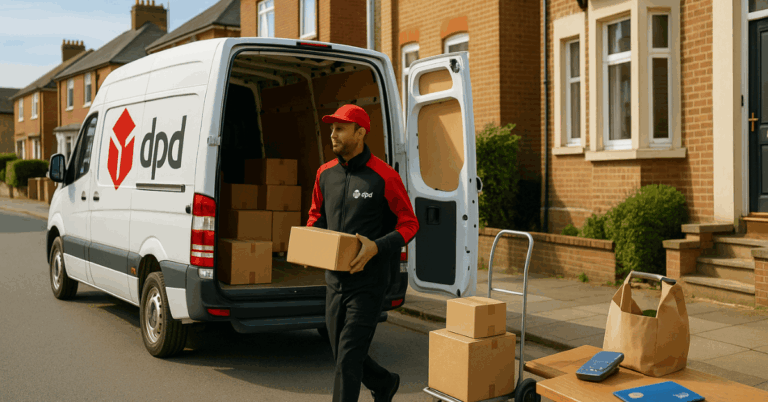
Across DHL divisions, hiring runs continuously for warehouse, driver, and office roles in most regions.
Candidates searching “DHL Jobs application” typically want a clear, fast route to verified openings and a clean submission that passes initial screens.
Official sources remain the best path: the DHL Careers portal plus reputable job boards that mirror live listings. Focus on role-matched keywords, location filters, and a concise resume that highlights safety, reliability, and customer contact.
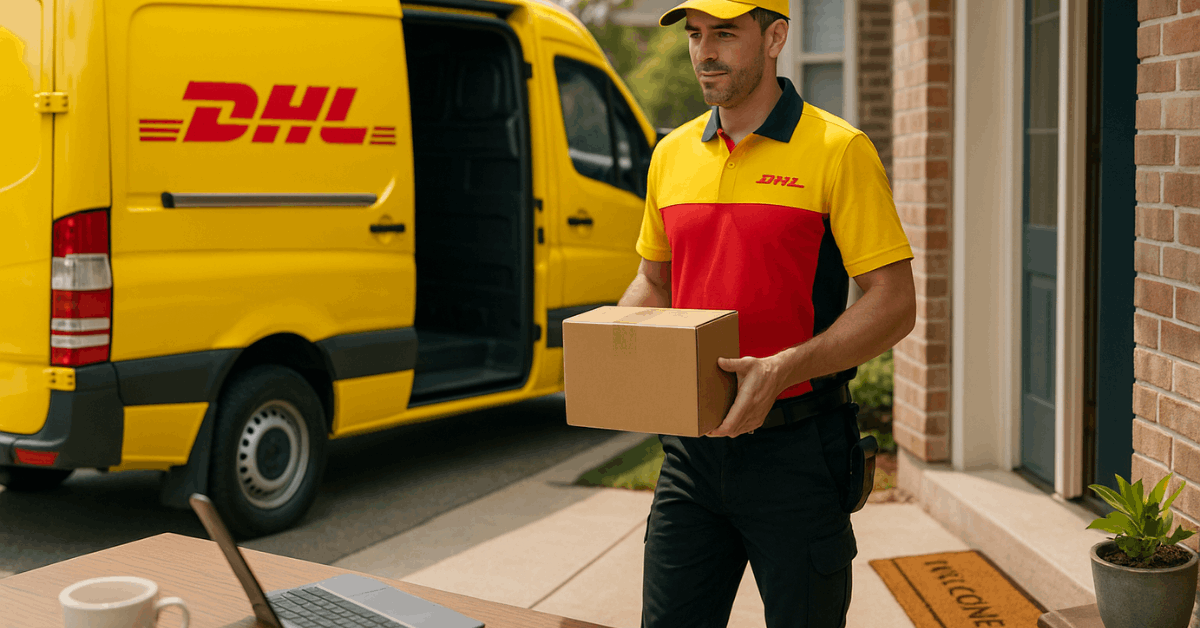
About DHL As A Global Logistics Company
DHL operates an international logistics network spanning air, sea, road, and warehousing for retail, healthcare, and e-commerce clients.
Operations rely on coordinated hubs, last-mile routes, and time-definite delivery services that connect businesses and households every day.
Teams include drivers, warehouse staff, planners, IT, and customer support, giving applicants multiple entry points across skill levels. Scale and seasonality create steady opportunities, especially near airports, distribution centers, and dense metro areas.
How DHL Routes Work and Where Drivers Operate
Route planning favors predictability, efficiency, and safety across urban, suburban, and rural territories. Drivers follow optimized manifests, scan parcels, and capture proof of delivery within defined time windows.
Stable lanes reduce daily variation, while volume forecasts and traffic patterns guide adjustments during peak weeks.
City cores may use small vans or bicycles for tight access, while rural routes involve longer stretches and careful time management across fewer stops.
How To Find Openings Near You
Hiring pages and trusted boards surface the widest set of current roles in one place. Fast results come from searching the DHL Careers portal first, then validating mirrors on Indeed, Jobstreet, LinkedIn, and Glassdoor.
Roles often list minimum license level, lifting expectations, shift patterns, and pay bands or ranges, which helps target an application efficiently. Postings change quickly during peak seasons, so alerts and saved searches keep new listings visible.
- Go To The DHL Careers Portal: Use careers.dhl.com, select your division and country, then search by city or postcode.
- Search Trusted Job Boards: Check Indeed or Jobstreet for mirrored DHL listings, then click through to the original post.
- Filter Intelligently: Choose categories like Supply Chain, Express, or IT, and set contract type, shift, and experience level.
- Use Strong Keywords: Try “Warehouse Associate,” “Courier,” “Forklift Operator,” or city terms such as “Cagayan de Oro.”
- Submit Only To Live Reqs: Prioritize posts with recent update dates and clear contact or requisition numbers.
Search Smart By Role and Location
Precise search strings cut noise and surface better matches in fewer clicks. Pair the brand plus city for cleaner results, such as “DHL Manila driver” or “DHL Cebu warehouse.”
Match categories to your experience: operations and last-mile roles for physical work, service desks for phone or chat support, and analyst or admin tracks for office strengths.
Interest in DHL warehouse jobs and DHL customer service jobs remains high in metro corridors, while airport hubs publish courier and ramp posts frequently. Candidates focused on vans and couriers should include DHL delivery driver jobs in saved alerts for their preferred cities.
The Delivery Driver Role: Duties and Physical Demands
Core responsibilities stay consistent across DHL Express, eCommerce, and Supply Chain. Daily work involves loading, scanning, and securing parcels, operating a van or light truck, following GPS-optimized routes, and collecting signatures where required.
Courteous doorstep interactions matter because quick, clear communication resolves minor issues and protects on-time performance.
Physical readiness is essential since many postings cite frequent lifts to 23 kilograms and occasional lifts to 32 kilograms, plus constant stepping in and out of the vehicle.
Minimum Qualifications and DHL Hiring Process
Most driver postings share the same baseline requirements across regions and divisions. Clean documentation, safe driving history, and reliable availability strengthen early screening outcomes.
Airport-adjacent roles can add security badging, while heavy vehicles in the UK and EU often require higher license categories. Timelines vary by market, so keep documents organized to respond quickly during screening.
- License And Record: Hold a valid license appropriate to the vehicle class and maintain a driving record that satisfies company standards.
- Background And Screening: Expect criminal checks, right-to-work verification, and drug or alcohol tests where required.
- Physical Ability: Show comfort lifting specified weights, standing for extended periods, and working in varied weather.
- Typical Flow: Online application, recruiter screen, interview, background and MVR checks, conditional offer, orientation, and site training.
Pay, Shifts, and DHL Salary and Benefits
Compensation reflects division, region, shift, vehicle type, and experience. United States postings commonly advertise hourly ranges around 18 to 25 dollars, with some markets listing 15 to 27 dollars depending on cost of living and role scope.
United Kingdom courier roles often fall near 24,000 to 32,000 pounds annually, while heavy goods vehicle positions can reach 35,000 to 45,000 pounds based on region and schedule.
Benefits typically include:
- medical coverage,
- paid time off,
- retirement or pension options,
- tuition assistance, and
- employee discounts,
which collectively shape true take-home value under DHL salary and benefits.
Several continental European markets cluster near 13 to 20 euros per hour, influenced by local agreements, experience, and shifts.
Overtime rules, evening premiums, and seasonal bonuses affect total pay, so confirm details in the posting and during recruiter conversations.
How To Complete A Strong DHL Jobs Application
Clean presentation and complete data improve pass-through rates in automated and human screens. Focus the resume on safe driving, route reliability, scan accuracy, and customer contact.
Keep dates consistent across resume and form fields to avoid mismatches that stall progress. After submitting, track your DHL application status inside the portal and respond quickly to any document or scheduling requests.
- Search Openings First: Use official filters for “driver,” “courier,” or “delivery,” then set your exact city.
- Create Your Profile: Upload a concise resume that foregrounds on-time performance, safety checks, and customer service.
- Complete The Form Carefully: Enter work history, license class, endorsements, and location preferences without gaps.
- Prepare For Screening: Keep license, MVR details, and references available; anticipate drug testing where applicable.
- Interview With Examples: Share specific instances of meeting time windows, resolving doorstep issues, and adjusting routes safely.
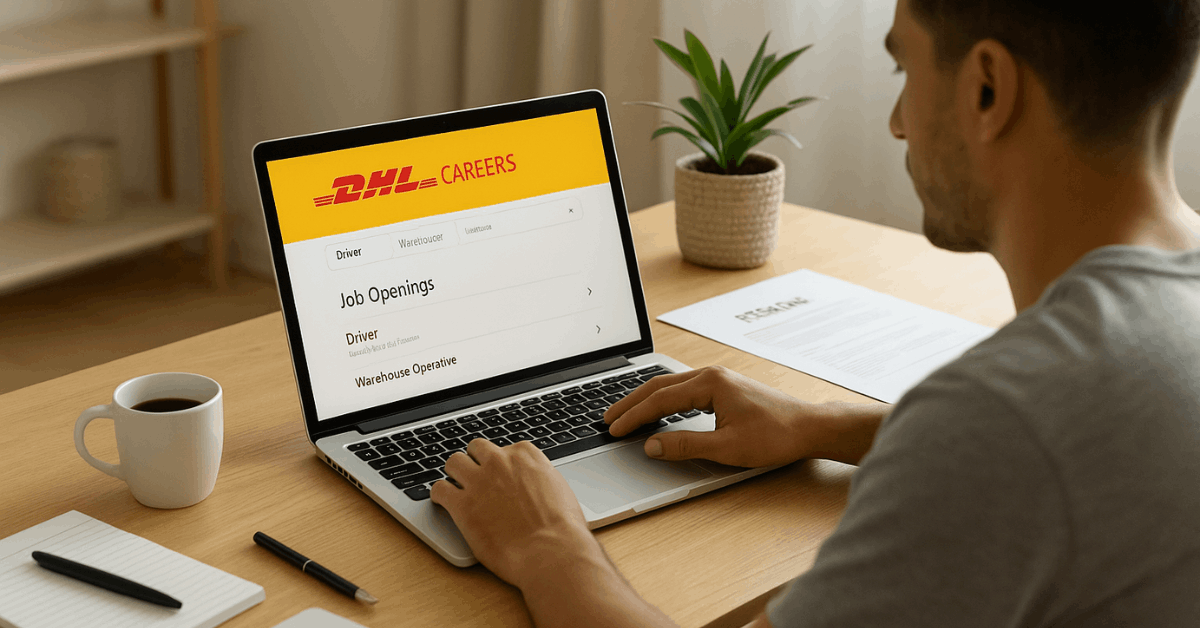
Resume Snapshot For Drivers
Strong summaries lead with reliability, safety, and service metrics tied to daily route realities. A concise opener might state a clean record, proficiency with handheld scanners, and consistent on-time performance across high-stop manifests.
Quantify recent achievements such as 98 percent on-time rates, 99 percent scan accuracy, or months without load-shift incidents after pre-trip checks and proper securing.
Mention lifting capacity aligned to the posting and familiarity with adverse weather protocols, restricted sites, or airport ramp procedures where relevant.
Career Growth and Mobility
Internal mobility spans lead driver, route trainer, dispatcher, and operations coordination, plus transitions into ramp, tug, and transport planning. Warehouse and team lead roles commonly attract experienced drivers interested in mentoring or broader operations exposure.
Markets that value higher license categories reward candidates who upskill toward C or C+E in the UK and EU, or advanced yard and tractor roles elsewhere. Structured progression pay and regular performance reviews create a transparent path for tenure and expanded responsibilities.
Work Environment, Safety, and Training
Shifts can extend to ten hours in busy periods, and weekend or holiday coverage appears in many rosters. Dense urban routes mean frequent stops and tight access, whereas suburban and rural areas trade stop count for distance and timing discipline.
Safety anchors every shift through pre-trip inspections, defensive driving refreshers, correct parcel handling, safe backing procedures, and body-mechanics training.
Site-specific onboarding covers devices, scanning workflows, weather protocols, and restricted-site rules, reinforcing consistent performance across different terrains.
Quick Answers To Common Questions
Clear expectations reduce surprises and speed application decisions during peak hiring windows. Recruiters often batch screens and interviews, so availability helps secure earlier slots.
Many applicants move from interview to orientation within one to two weeks when documents are complete.
Benefits frequently include health coverage, paid leave, retirement plans, tuition assistance, and shift premiums, although specifics vary by country and division.
- Where To See Full Duties: Each live posting lists responsibilities, license level, lifting expectations, hours, and pay elements.
- How Long Hiring Takes: Timelines depend on location and role, with faster movement during seasonal peaks.
- What To Ask Recruiters: Clarify overtime rules, premium schedules, progression steps, and equipment or vehicle types.
- How To Track Progress: Monitor messages and interview invites through the DHL Careers portal for status changes.
Final Takeaway
A DHL driving role blends independent route execution, direct customer contact, and measurable performance targets anchored in safety. Consistent hiring across divisions creates multiple entry points for drivers, warehouse associates, service agents, and analysts.
Strong applications highlight safe records, scan accuracy, reliable attendance, and clear communication, then follow through quickly on screenings and start dates.
Candidates who keep skills current, communicate professionally, and engage in training see faster progression across a large, stable logistics network.